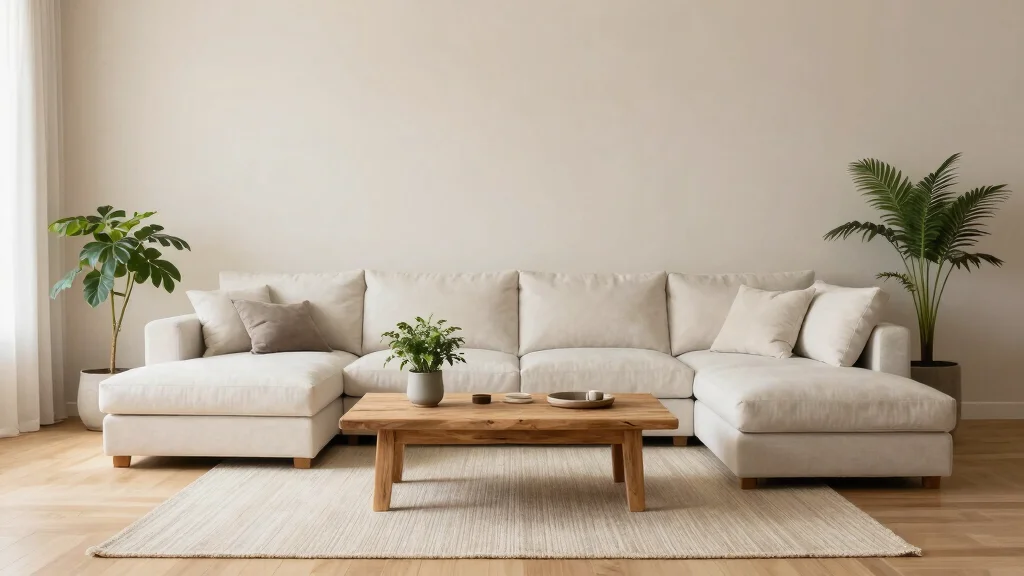
Creating a calm and stylish living room can sometimes feel overwhelming, especially with all the choices available. I made this post to help you navigate through the world of minimalist living room ideas. In today’s fast-paced environment, people often crave spaces that offer serenity and simplicity. If you’re looking to cultivate a serene living space that balances aesthetics with functionality, you’re in the right place.
This guide is for anyone who values modern home decor but wants to maintain a sense of peace in their home. Whether you’re an experienced decorator or just starting your journey, these minimalist living room ideas will inspire you. You’ll discover ways to incorporate calming color palettes, minimalist furniture, and functional decorations that enhance your space without overwhelming it.
I’ve gathered 11 practical ideas that are not only stylish but also promote a calming atmosphere. Imagine coming home to a space that feels inviting and uncluttered! With these tips, you’ll be well on your way to designing a living room that perfectly balances style and tranquility.
Key Takeaways
– Learn how to embrace natural materials to create warmth and connection with the environment in your living room.
– Discover the impact of a soft color palette on your mood and how it can help you achieve a serene atmosphere.
– Find out why investing in multi-functional furniture can maximize your space while keeping it stylish and uncluttered.
– Get tips on creating an indoor plant oasis that not only looks beautiful but also purifies your air and enhances your well-being.
– Understand the importance of mindful decluttering as a key step towards achieving a minimalist living space that feels calm and inviting.
1. Embrace Natural Materials
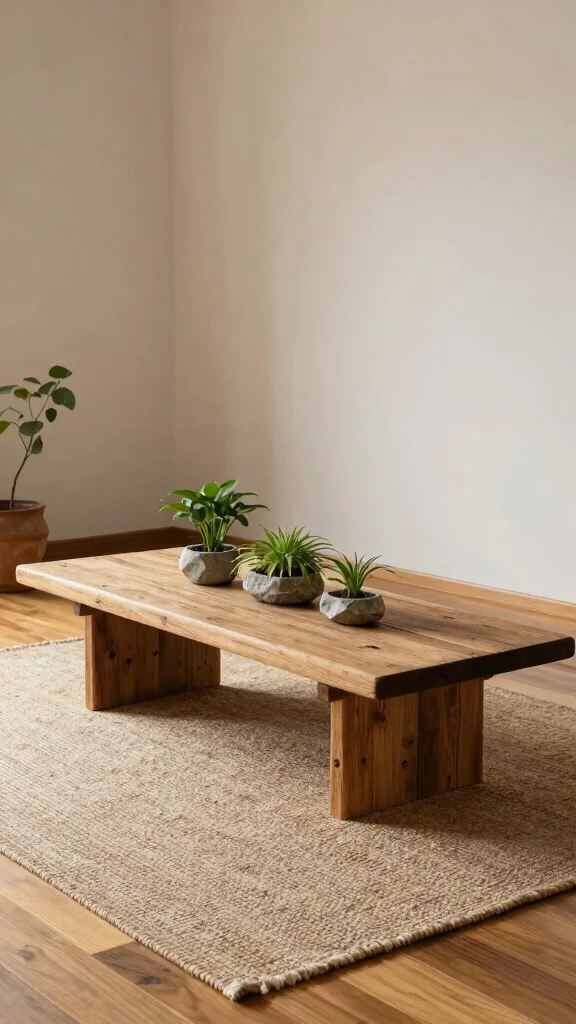
Natural materials are the foundation of a warm, inviting minimalist living room. Elements like reclaimed wood, organic cotton, and stone not only create visual interest but also foster a connection with nature. Imagine a cozy space where a rustic wood coffee table sits beneath soft linen drapes, enhancing both beauty and sustainability.
To make the most of natural materials, consider your choices carefully. You can source affordable reclaimed wood from local suppliers or opt for organic fabrics available at many retailers. This approach aligns with eco-friendly trends while providing emotional comfort in your home.
Here are some ideas to incorporate natural materials:
– Use a reclaimed wood coffee table as a stylish focal point.
– Choose organic cotton cushions to add softness and comfort.
– Introduce stone planters for a rustic touch with indoor plants.
– Opt for jute rugs to enhance warmth and eco-friendliness.
Integrating these elements will cultivate a serene atmosphere, making your living room a tranquil escape that celebrates nature.
Key Trade-offs & Our Top Pick
Option 1: Natural Materials
– Pros:
– Offers a warm and inviting atmosphere.
– Provides a connection to nature, which promotes calmness.
– Often durable and long-lasting, reducing waste.
– Cons:
– Can be more expensive than synthetic materials.
– Some natural materials require more maintenance.
– Limited availability in certain regions.
– Best for: Those who value eco-friendliness and want a soothing ambiance in their living space.
Option 2: Multi-Functional Furniture
– Pros:
– Saves space, making small areas feel larger.
– Offers varied uses, enhancing functionality.
– Reduces clutter by combining multiple functions into one piece.
– Cons:
– May compromise style for practicality.
– Can be heavier, making rearrangement difficult.
– Some designs may not fit every decor taste.
– Best for: Homeowners looking to maximize space and versatility in smaller living rooms.
Option 3: Calming Color Palettes
– Pros:
– Creates a serene and relaxing environment.
– Light colors can make a room feel more spacious.
– Can easily be paired with various decor styles.
– Cons:
– Light colors may show dirt and wear more easily.
– Limited options for those who prefer bolder decor styles.
– May require more frequent touch-ups or repainting.
– Best for: Individuals seeking a peaceful, airy space that promotes relaxation.
Option 4: Functional Decorations
– Pros:
– Adds personality while serving a purpose.
– Reduces the need for extra furniture.
– Can enhance the overall aesthetic of the room.
– Cons:
– May require thoughtful planning to avoid clutter.
– Some functional decor items can be costly.
– Might not appeal to everyone’s taste.
– Best for: Those who love unique items that enhance both form and function.
Expert Recommendation:
Best Overall: Multi-Functional Furniture
Multi-functional furniture stands out as the top choice for most people looking to create a minimalist living room. It provides the best balance of style and practicality, allowing you to maximize your space without sacrificing design. With pieces that serve several purposes, you can keep your living area tidy and organized while enjoying a stylish environment.
Why We Picked This:
While multi-functional furniture is ideal for small spaces and versatile needs, some may prefer natural materials for their organic feel or calming color palettes for their soothing effects. Ultimately, your choice depends on your unique style and living situation. Consider your lifestyle, decor preferences, and how you use your space when deciding which option is best for you!
Embrace Natural Materials
Editor’s Choice

FANTIAN 5 lbs Polished Black River Rocks, 1-2 Inch Decorative Pebbles fo…

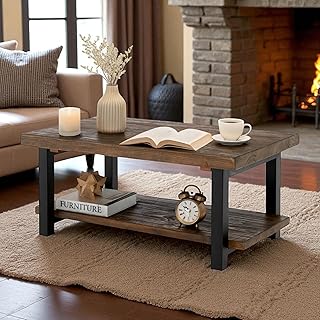
Pomona 42-Inch Rectangular Solid Wood Coffee Table with Storage Shelf & …

Linen Cotton Curtains for Living Room, Cream Off White Natural Fabric Li…
2. Choose a Soft Color Palette
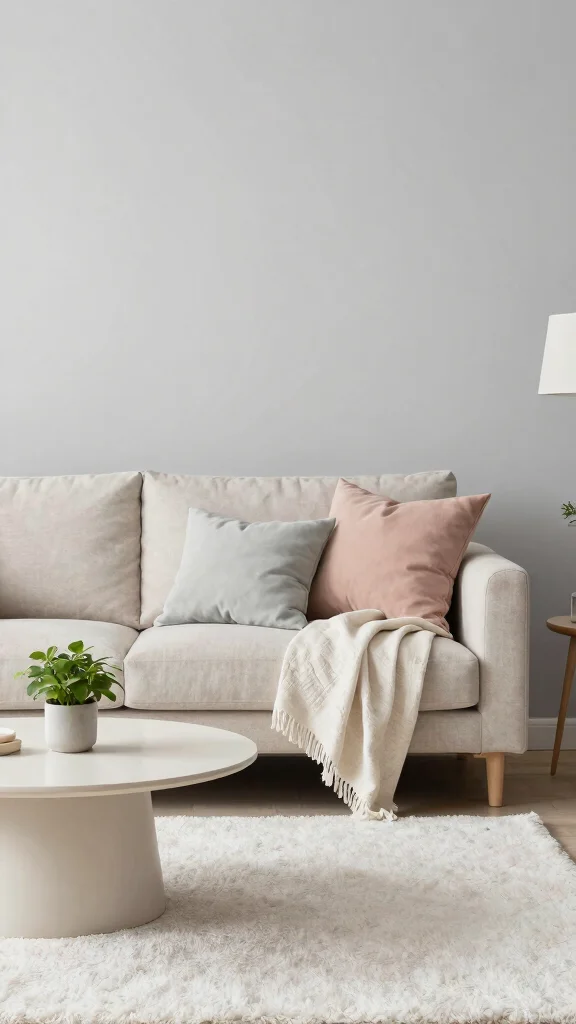
A soft color palette is essential for creating a calming minimalist living room. Gentle whites, light grays, and soft pastels cultivate serenity and make spaces feel more expansive. Picture your walls painted in a soothing beige, complemented by muted furnishings that reflect light beautifully.
To achieve this aesthetic, stick to a limited color scheme. This approach not only enhances harmony but also allows for small accent colors that can uplift the space without overwhelming it. You might even find budget-friendly paint options at local home improvement stores.
Consider these tips for choosing your color palette:
– Stick to 2-3 main colors to ensure cohesion.
– Use lighter shades on walls to promote brightness.
– Introduce color through smaller accents like pillows or art.
– Keep textiles consistent to maintain a unified look.
A soft color palette will transform your living room into a peaceful haven, encouraging relaxation and mindfulness.
Choose a Soft Color Palette
Editor’s Choice

Beyond Paint All-in-One Refinishing Paint, No Sanding, Matte Finish for …

6 PCS Pastel Calm Down Corner Throw Pillowcase 18×18 Inch Square Throw P…

GRUSIGN 3 Seater Couch, 83″ Comfy Corduroy Sofa with Deep Seat, Modern S…
3. Invest in Multi-Functional Furniture

Choosing multi-functional furniture is key to achieving a minimalist design while maximizing your living room’s utility. This strategy reduces clutter while ensuring that every piece contributes to both style and function. Imagine a sleek sofa bed that doubles as a comfortable seating area and a sleeping space for guests.
Look for versatile pieces like ottomans with hidden storage or modular shelving that adapts to your needs. These items can help you make the most of your space, keeping it neat and organized without sacrificing style.
Here are a few ideas for versatile furniture:
– A storage ottoman that serves as seating or a footrest.
– A coffee table with compartments for magazines and remotes.
– A foldable dining table that can also be a workspace.
– Modular sofas that can be rearranged based on the occasion.
Multi-functional furniture enhances the minimalist look while ensuring that your living room remains practical for daily use.
❝ Fun fact: In compact living rooms, multi-functional furniture can save up to 30% of usable space by combining seating, sleeping, and storage. A sofa bed with hidden storage ottoman turns one area into guest-ready comfort and everyday calm, keeping your minimalist living room ideas clean and clutter-free.
📹 Related Video: NEVER TOO SMALL: Multifunctional Furniture for Your Living Room
Invest in Multi-Functional Furniture
Editor’s Choice

DUMOS 43 Inch Folding Storage Ottoman Bench, Large Hidden Storage Chest …
4. Create an Indoor Plant Oasis
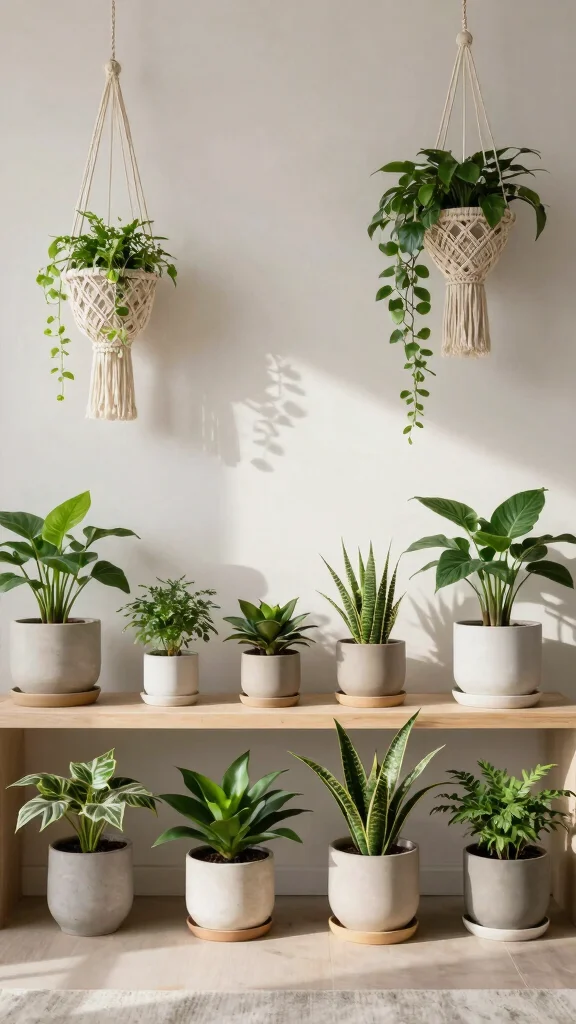
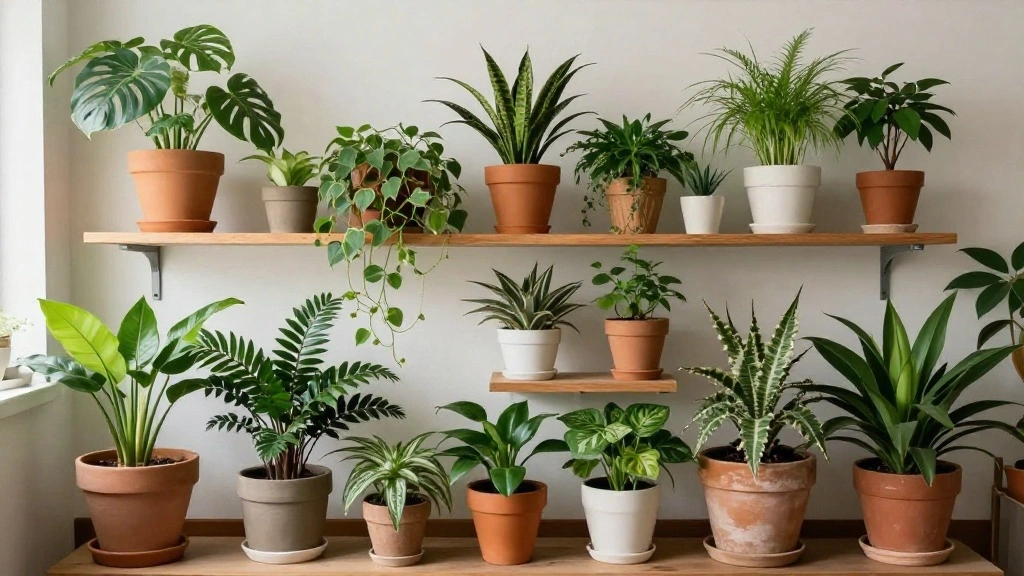
Incorporating plants into your minimalist living room adds life and tranquility. Not only do they improve air quality, but they also create a calming environment that enhances your well-being. Visualize a space filled with lush greenery, where easy-care plants like snake plants or pothos thrive in minimalist planters.
Select plants that suit your lighting conditions, particularly if your living room is low on natural light. Using simple planters allows the plants to shine and become part of your decor without overwhelming the space.
Tips for creating a plant oasis:
– Use a variety of planters for dimension while maintaining consistency.
– Hang plants in macramé holders to save space and add interest.
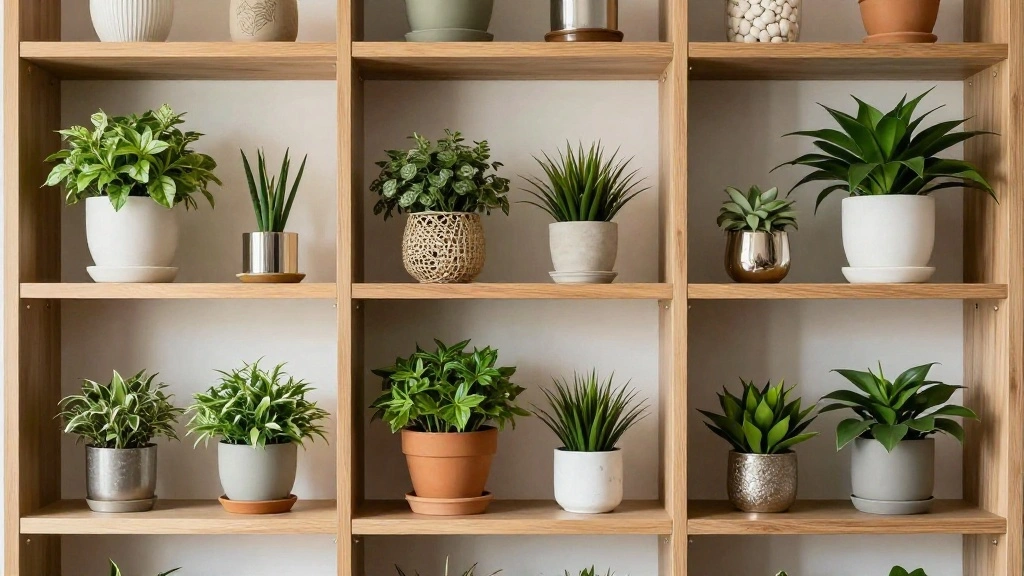
– Create a designated plant corner with diverse species for a lush effect.
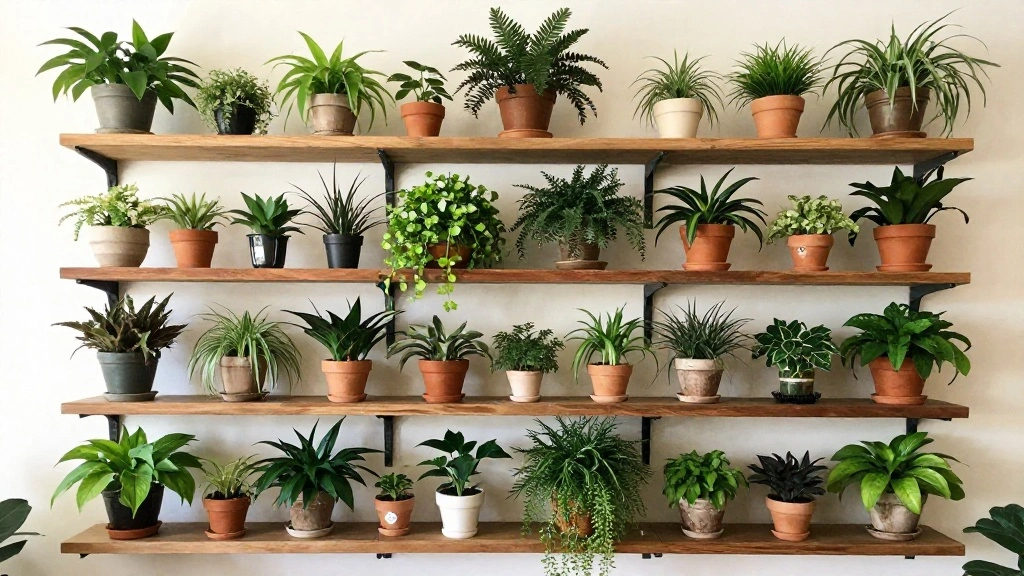
– Incorporate wall-mounted planters to save floor space.
Creating an indoor plant oasis enriches your living room and connects it with nature, enhancing both beauty and tranquility.
Create an indoor plant oasis and watch your minimalist living room ideas come to life. Choose easy-care greens like snake plants or pothos in simple planters, and enjoy calmer evenings with cleaner air and a naturally refreshed space.
Create an Indoor Plant Oasis
Editor’s Choice

Altman Plants Live Snake Plant (Superba), Approx. 13″ Tall, Virtually In…

Veradek Mason Series Lima Planter – Round Planter for Indoor or Outdoor …

Live Pothos Plants (4PK) Indoor Plants Live Houseplants, Pothos Live Pla…
5. Keep Decorative Elements Functional
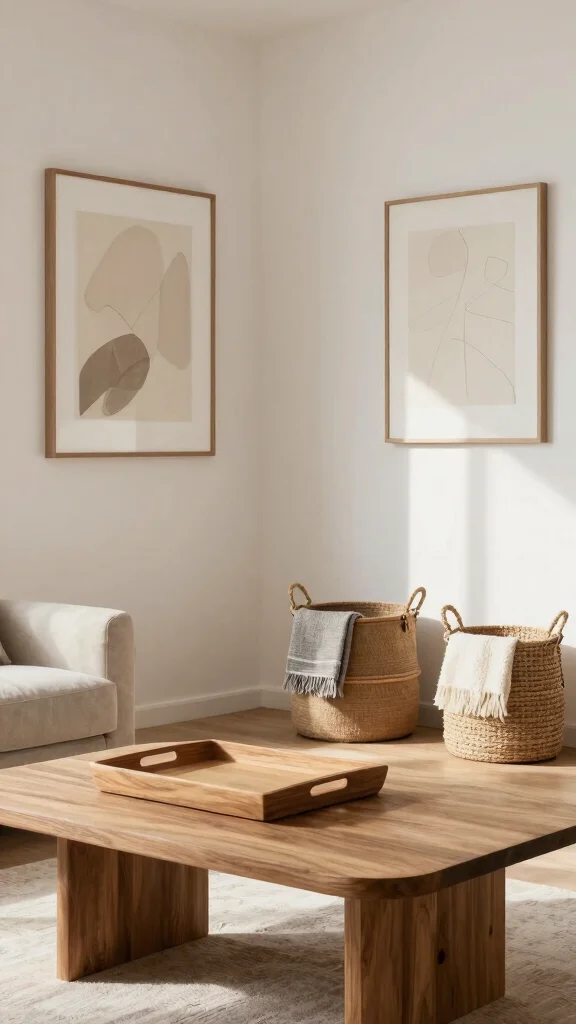
In a minimalist living room, every decorative piece should serve a purpose. This approach ensures that your decor not only looks good but also enhances the functionality of your space. Imagine elegant sculptures that double as bookends or stylish storage boxes that organize your essentials while adding flair.
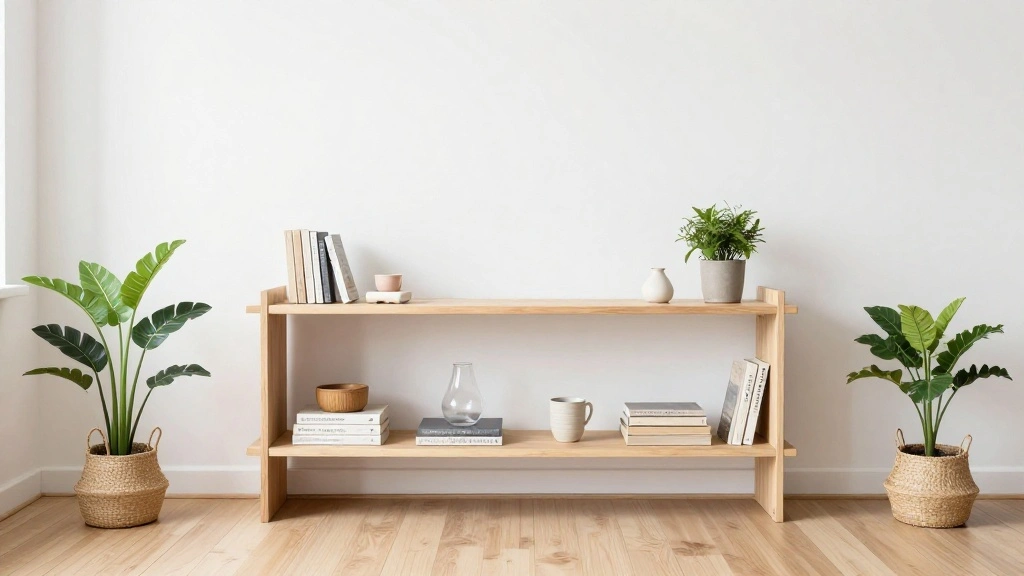
Focus on incorporating items that blend beauty with utility. Look for wall shelves that can display decor while providing a place for books or plants, ensuring your living room remains attractive and practical.
Suggestions for functional decor:
– Use a stylish tray on the coffee table to organize essentials.
– Incorporate decorative baskets for blankets or toys.
– Opt for artwork that complements your color scheme and is easy to swap out.
– Include wall hooks that integrate seamlessly with your decor.
By prioritizing functional decorative elements, you enhance the minimalist aesthetic while keeping your living room practical and clutter-free.
Keep it simple, and it will work harder than you think—every piece should serve a purpose. With minimalist living room ideas, your decor doubles as storage and organization, so you gain calm and style at once. Swap clutter for dual-use accents and your space breathes.
You might also like
📝 Organize Your Calm Home
Transform your living space into a serene sanctuary with our ultimate minimalist organizing guide.
Keep Decorative Elements Functional
Editor’s Choice

GRANNY SAYS Wicker Storage Baskets for Shelves, Wicker Baskets for Organ…

Modern Cracked Male Torso Sculpture – Polyresin Statue with Textured B…

BiJun Vinyl Wall Mount 6 Pack, Black Metal Vinyl Holder Wall Display She…
6. Focus on Open Spaces
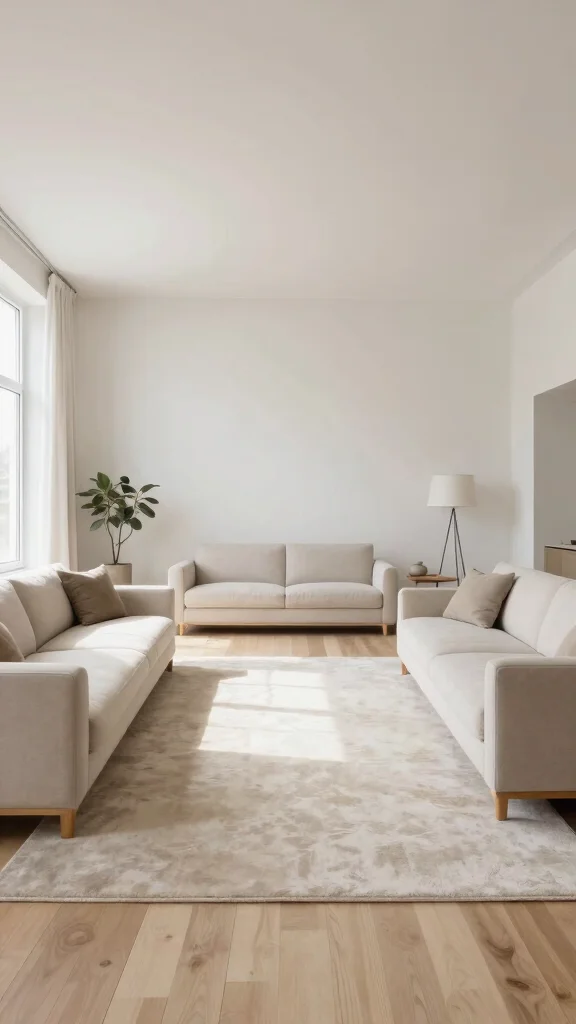
Prioritizing open spaces is vital for a minimalist living room, as it creates a sense of calm and flow. An uncluttered layout allows for movement, making your room feel more expansive and inviting. Picture a living room where furniture is arranged to encourage conversation and clear pathways, enhancing the overall atmosphere.
To achieve this, avoid overcrowding with too much furniture or decor. Instead, select larger pieces that make a statement without overwhelming the space. This will help you maintain a serene environment that feels spacious and welcoming.
Here are some tips for maximizing open space:
– Arrange seating to encourage conversation without blocking pathways.
– Float furniture away from walls for a sense of depth.
– Use large rugs to define seating areas without enclosing them.
– Keep decor minimal on surfaces to reduce visual clutter.
By focusing on open spaces, your living room transforms into a peaceful retreat that embodies minimalist design principles while allowing for plenty of room to breathe.
Focus on Open Spaces
Editor’s Choice

Glass Coffee Table Modern Center Table,Minimalist Coffee Table Sofa Side…

Karl home Accent Chair Mid-Century Modern Chair with Pillow Linen Fabric…

Livabliss x Our PNW Home Cascade Minimalist Area Rug, 6’7″ x 9′, Ivory
7. Utilize Strategic Lighting
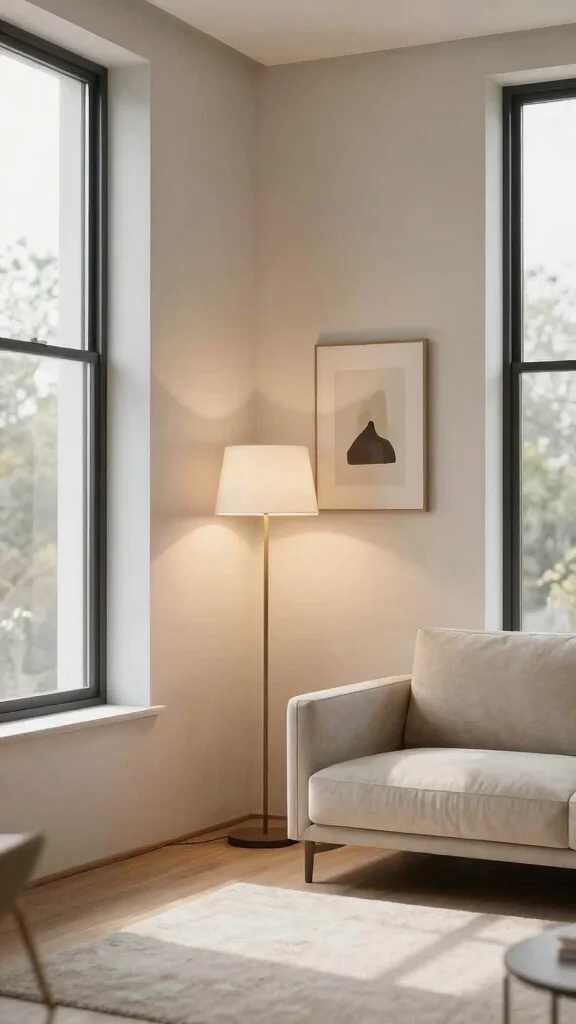
Strategic lighting is essential for setting the mood in your minimalist living room. A well-thought-out combination of ambient, task, and accent lighting can enhance the serene atmosphere while adding depth. Imagine soft, natural light filtering through a large window, complemented by sleek floor lamps that illuminate cozy reading nooks.
Consider incorporating dimmable lights to tailor brightness based on the time of day. Choosing simple yet stylish fixtures will align with your minimalist aesthetic while avoiding excess ornamentation.
Lighting tips for a calming environment:
– Use dimmable lights to adjust brightness easily.
– Incorporate warm-toned bulbs for a cozy ambiance.
– Select minimalist lighting fixtures that fit your decor style.
– Experiment with light angles to create soft shadows.
Thoughtfully arranging your lighting cultivates a relaxing atmosphere that encourages tranquility and comfort in your living space.
Utilize Strategic Lighting
Editor’s Choice
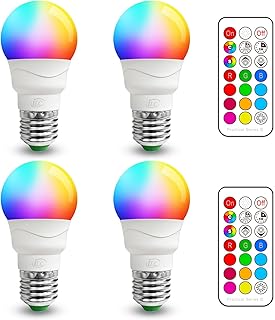
ILC RGB LED Light Bulb, Color Changing Light Bulb, 40W Equivalent, 450LM…

Aipsun Black Modern LED Wall Sconce Indoor Wall Lights 1 Pack Hardwired …
8. Showcase Meaningful Art

Art adds personality and warmth to your minimalist living room, making it feel uniquely yours. In this context, it’s crucial to select art pieces that resonate with you while maintaining simplicity. Visualize a large, captivating artwork as a focal point, drawing the eye without cluttering your space.
When curating art, consider works that reflect your values or interests, such as pieces from local artists or environmentally themed creations. This connection adds depth to your decor while keeping it aligned with your minimalist vision.
Here are some pointers for showcasing art effectively:
– Use a single large piece to avoid visual clutter.
– Frame art in simple frames that match your decor style.
– Hang artwork at eye level for maximum impact.
– Ensure surrounding decor complements rather than competes with the art.
By curating meaningful art, you enrich your minimalist living room, adding character while adhering to the principles of simplicity.
Showcase Meaningful Art
Editor’s Choice

Artiluxy 3D Minimalist Textured Wall Art Set of 2 – 16×20 in Neutral …

8×10 Picture Frame Set (Black, 3 Pack), Front-Loading Contemporary Moder…
9. Incorporate Textured Accents
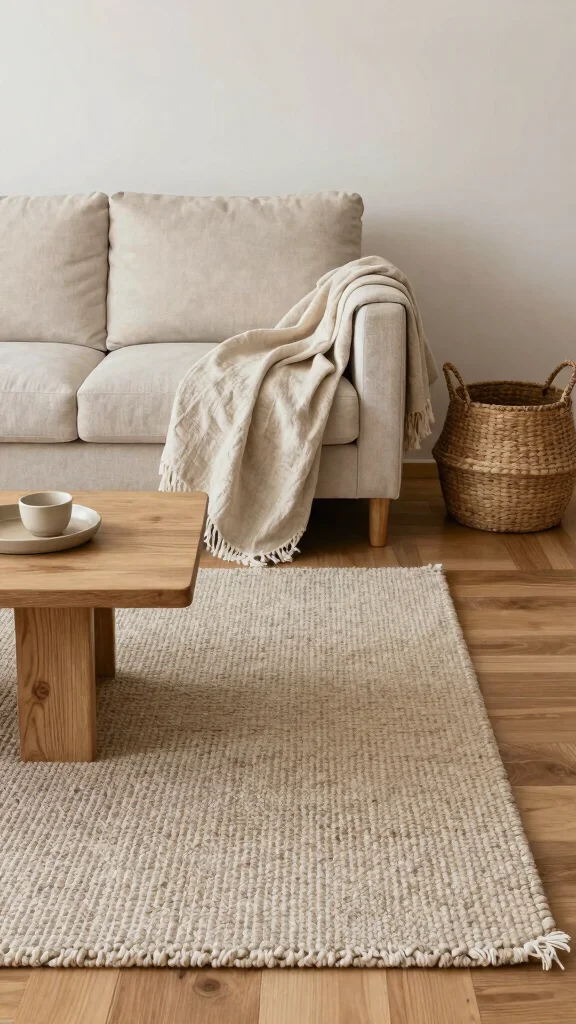
In a minimalist living room, adding textures can create visual interest and warmth without compromising simplicity. Fabrics like linen, cotton, and wool soften hard surfaces, inviting comfort into the space. Picture a cozy sofa layered with textured cushions and a plush area rug that adds depth while maintaining a clean aesthetic.
Consider integrating textures through various elements such as throws, pillows, or wall treatments. This approach allows you to create a cohesive look while keeping the design fresh and inviting.
Suggestions for adding texture:
– Layer textiles on sofas for a plush, inviting feel.
– Use textured rugs for warmth and grounding.
– Incorporate woven items like baskets for both decor and storage.
– Choose furniture with diverse textures for added interest.
Thoughtfully incorporating textured accents enhances your minimalist living room’s appeal while fostering a calm and welcoming atmosphere.
You Might Also Like
Incorporate Textured Accents
Editor’s Choice
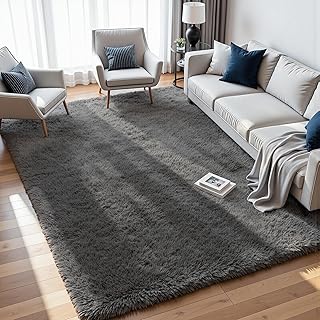
8×10 Area Rugs for Living Room: Ultra Soft Fluffy Shag Grey Rugs for Bed…

MIULEE 18×18 Pillow Inserts with Cotton Cover,Set of 4 100% Virgin Micro…

Admitrack Chunky Knit Blanket Throw 51″x63″, 100% Hand Knit Chenille Thr…
10. Create a Personal Corner
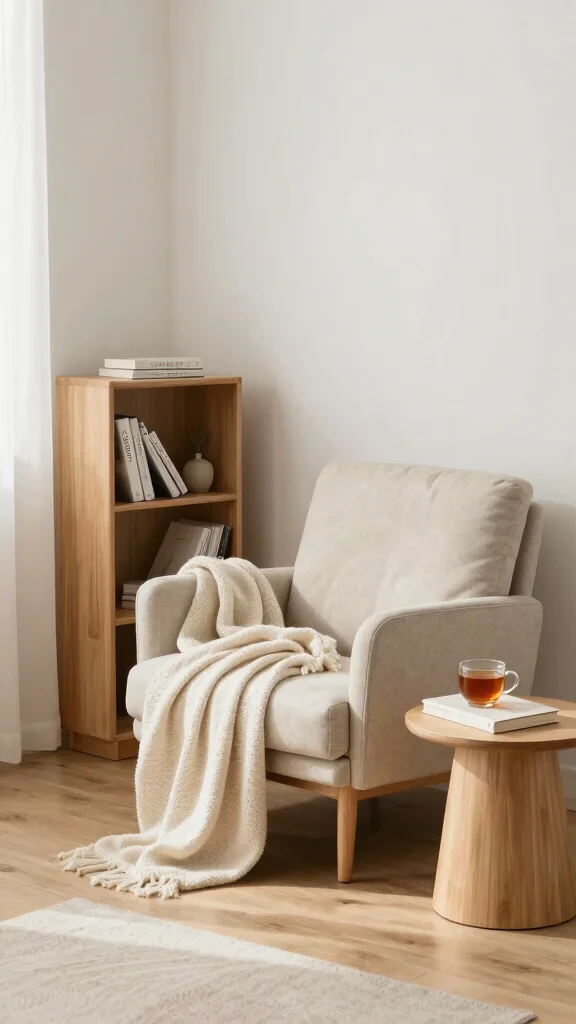
Establishing a personal corner within your minimalist living room allows for self-expression and adds character. This space can showcase your favorite books, hobbies, or art, creating an inviting nook that radiates comfort. Imagine a cozy chair nestled next to a small bookshelf, surrounded by elements that reflect your interests while keeping the area uncluttered.
Ensure that your personal corner harmonizes with the existing decor, choosing furniture that complements the overall aesthetic. Incorporating a small side table can enhance functionality while maintaining a minimalist approach.
Tips for designing a personal corner:
– Choose furniture that adds comfort while matching your decor.
– Incorporate a small side table for convenience.
– Use decor that resonates with you, while keeping it minimal.
– Ensure adequate lighting for reading or crafting activities.
Creating a personal corner adds a unique touch to your minimalist living room, providing a tranquil retreat for enjoying your favorite pastimes.
Create a Personal Corner
Editor’s Choice

PEAKOLY Wood Arch Bookshelf Decor – Modern Shelf Decor Accents, Decorati…
11. Mindful Decluttering
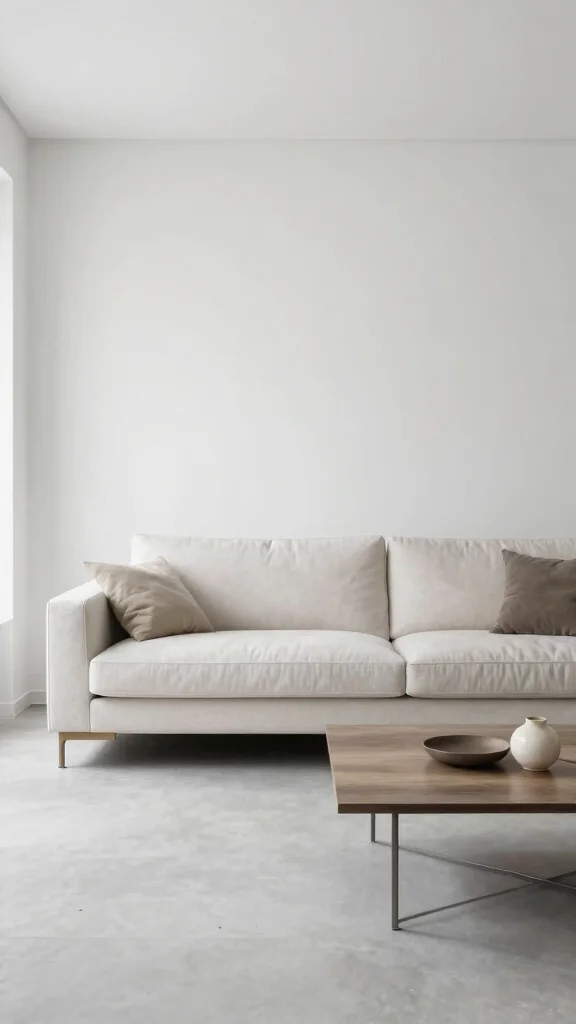
Mindful decluttering is essential for cultivating a calm and clear living room. This process encourages you to evaluate each item’s necessity and emotional value, helping to eliminate distractions. Picture your space stripped of excess, showcasing only the items you truly cherish and use.
Start by focusing on one area at a time, such as shelves or coffee tables. Categorizing items based on purpose allows for a more thoughtful approach, enabling you to keep only what truly enhances your space while considering sustainable disposal for items you part with.
Key steps for mindful decluttering:
– Set specific goals for each decluttering session.
– Assess if each item brings joy or serves a purpose.
– Consider donating or recycling items instead of discarding.
– Regularly reassess belongings to maintain a clutter-free environment.
Mindful decluttering transforms your living room into a peaceful retreat that embodies minimalist principles, making it a space you’ll love.
Mindful Decluttering
Editor’s Choice

HolliWill 70.8″ Tall Bookshelf Set of 2, 79″ Wide Geometric Display Shel…

Nelko Label Maker Machine with Tape, P21 Bluetooth Label Printer, Wirele…

8 Pack Extra Large Heavy Duty Moving Bags, Clear Storage Bins with Lids,…
Conclusion
Embracing minimalist living room ideas not only improves the aesthetic appeal of your home but also contributes to your overall well-being. By balancing style and calm, you create a sanctuary where every element serves a purpose, reflecting your values and lifestyle.
Consider these sustainable design principles, and as you implement them, remember that minimalism is a journey. It’s about finding what truly matters in your space and allowing it to shine through. Let your living room be a reflection of who you are, while providing a peaceful haven you can enjoy day after day.
Note: We aim to provide accurate product links, but some may occasionally expire or become unavailable. If this happens, please search directly on Amazon for the product or a suitable alternative.
This post contains Amazon affiliate links, meaning we may earn a small commission if you purchase through our links, at no extra cost to you.
Frequently Asked Questions
What are the top minimalist living room ideas to balance style and calm while staying sustainable?
Start with a clean layout and a few high-impact pieces. For minimalist living room ideas, opt for minimalist furniture with built-in storage to reduce clutter. Choose sustainable materials like solid wood, cork, or bamboo. Pick a calming color palette—think warm neutrals or soft earth tones—so natural light can breathe. Add a couple of thoughtfully chosen decorative items instead of many trinkets to maintain serene living spaces. Finish with energy-efficient lighting and a few live plants to bring life without visual noise.
Practical steps: measure the room, pick 1-2 storage-friendly pieces, select durable finishes, and replace disposable decor with timeless, eco-friendly options.
How can you achieve a serene living space with modern home decor without clutter?
Adopt ‘less, but better’ by curating 2-3 main furniture pieces and a few meaningful decorations. Use functional decorations that serve a purpose (storage baskets, multi-use coffee tables, wall shelves). Keep surfaces clear and choose a cohesive calming color palette with sustainable materials. Hide cables and electronics in clever storage to maintain serene living spaces. Introduce a few modern home decor accents—like a sculptural lamp or a simple rug—that read clean and calm.
Which calming color palettes work best for a minimalist living room?
Start with neutrals: warm ivory, soft gray, and taupe as the base. Add depth with earthy greens or muted blues as accents, never more than 2-3 tones. Ensure contrast is gentle so the room feels airy. Use calming color palettes across walls, textiles, and furniture, and lean on sustainable materials that reflect light. For examples: warm beige walls with charcoal minimalist furniture, or soft sage with natural wood.
What are practical ways to include functional decorations in a minimalist living room?
Choose pieces that do double duty: storage ottomans, trays on coffee tables, wall-mounted organizers. Use functional decorations like woven baskets for storage, planters that double as air purifiers, or decorative boxes for remotes. Keep surfaces uncluttered and pick items made from natural or recycled materials to stay aligned with sustainable goals. Add plants for life without adding clutter, and rotate decor seasonally to keep it fresh yet minimal.
Where can I source eco-friendly, minimalist furniture that fits a sustainable living room?
Look for second-hand shops, flea markets, or upcycled pieces to start with minimalist furniture you won’t tire of. Support local makers who use renewable materials and sustainable production methods. When shopping new, choose pieces with FSC-certified wood, solid construction, and timeless design to fit minimalist living room ideas for years. Check for certifications and read warranties before buying.
Related Topics
minimalist living room
modern home decor
serene spaces
minimalist furniture
calming color palettes
functional decor
sustainable design
eco-friendly living
small space solutions
beginner friendly
stylish simplicity
trending decor