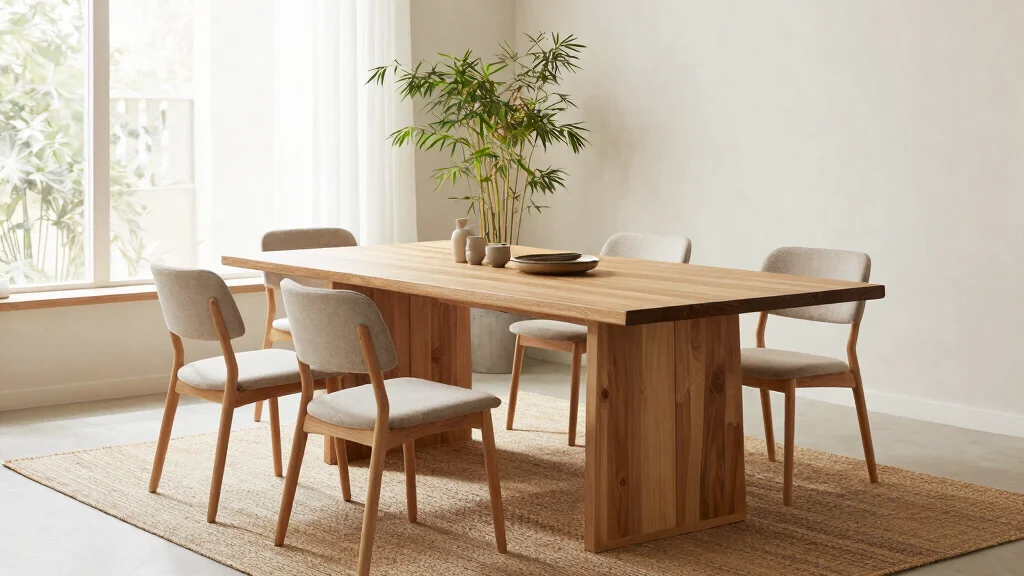
Creating a warm and inviting dining room is essential for gathering with family and friends. If you’ve been feeling inspired by the calming blend of Japanese and Scandinavian design, you’re in for a treat. Japandi style combines simplicity with functionality, allowing you to create a space that feels both cozy and uncluttered. This post is for anyone looking to enhance their dining area with Japandi dining room ideas that seamlessly integrate warmth and elegance.
Whether you’re a minimalist at heart or someone who appreciates the beauty of natural materials, you’ll find ideas that resonate with your style. Each suggestion is crafted to help you achieve that perfect balance between aesthetic appeal and everyday function. From earthy color palettes to sustainable materials, you’ll discover ways to transform your dining room into a space that invites connection and creativity.
In this post, I’ve gathered ten inspiring Japandi dining room ideas that reflect warmth and simplicity. These concepts are practical, stylish, and perfect for anyone looking to enjoy their dining experience to the fullest. Let’s dive into these ideas and find the perfect way to make your dining area a welcoming haven!
Key Takeaways
– Natural Wood Emphasis: Utilize wood furniture and accents to add warmth, creating an organic feel that grounds your space.
– Earthy Color Palette: Incorporate soft, muted tones like beige, terracotta, and olive green for a soothing atmosphere.
– Functional Decor: Choose pieces that serve a purpose, ensuring your decor is as practical as it is beautiful.
– Textured Layers: Mix materials like linen, wool, and natural fibers to add depth and interest to your dining setting.
– Greenery and Natural Elements: Integrate plants or floral arrangements for a fresh touch that enhances the overall ambiance of the room.
Recommended Products
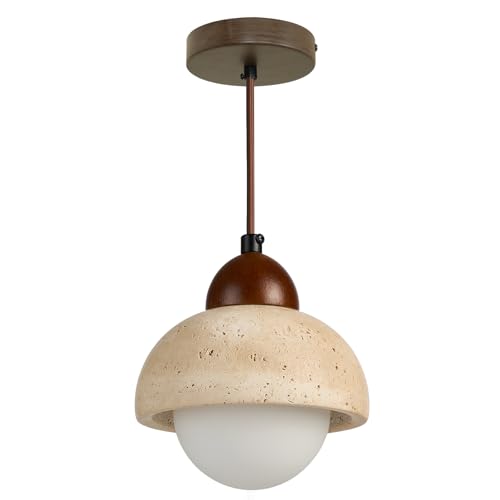
Wabi Sabi Pendant Light: Blending the organic texture of natural yellow travertine with the rustic simplicity of Wabi-Sabi aesthetics, this light exudes a unique charm of nature and art.

【Minimalist Organic Aesthetics】Elevate your living space with this versatile light fixture, which masterfully blends Wabi Sabi’s raw, imperfection-focused charm with the clean minimalism of Japandi and Nordic design. Its earthy, organic silhouette pairs seamlessly with boho, modern farmhouse and natural home decor schemes, making it a striking focal point for nearly any room in your home.

【FSC Certified Solid Wood】In an era saturated with plastic products, we choose to return to nature and embrace a sustainable lifestyle. Each lamp is a gift from nature crafted from FSC certified solid wood, ensuring that the wood comes from sustainably managed forests. This allows you to enjoy life while also contributing to the future of our planet.Unlike plastic natural solid wood offers an unique grain patterns. Each lamp is like a piece of natural art, telling you stories of life and time.
1. Natural Wood Emphasis
Natural wood furniture forms the backbone of Japandi design, radiating warmth and a welcoming atmosphere. A dining table built from reclaimed wood not only tells a story but also underscores your commitment to sustainability. Pair it with minimalist chairs that feature clean lines and a natural finish to uphold that elegant simplicity.
To amplify this aesthetic, incorporate a simple centerpiece like a wooden bowl filled with seasonal fruits or a single vase showcasing fresh flowers. This approach keeps the decor functional and visually appealing while connecting you to nature.
Consider these ideas for integrating wood into your dining room:
– Pair reclaimed wood tables with light-toned chairs.
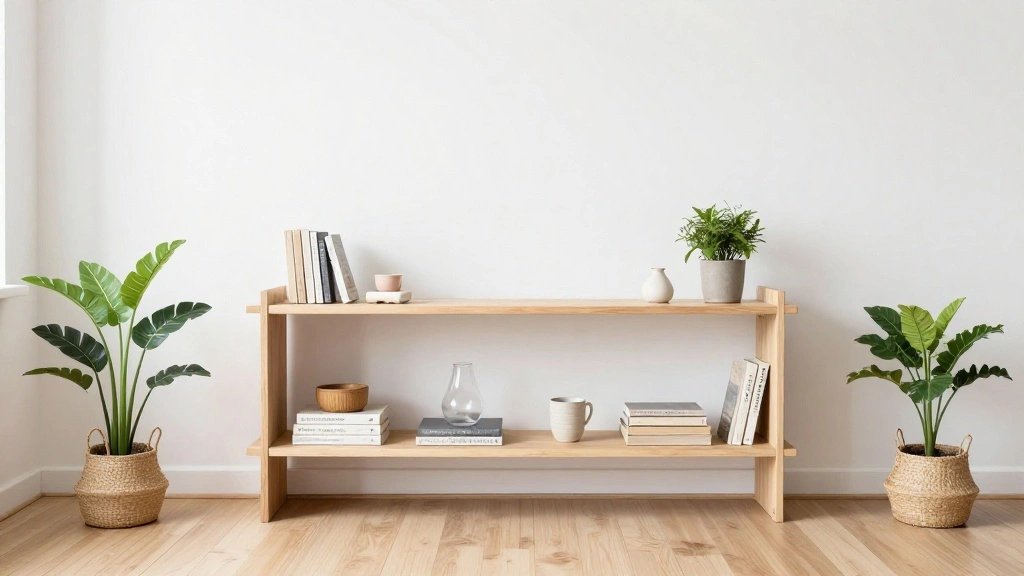
– Install open shelving to display wooden accents.
– Use a wooden serving tray for dining essentials.
This strategy blends sophistication and comfort, allowing natural textures to enhance the overall look, creating a space that feels both inviting and stylish.
Recommended Products

[Timeless Japandi Design] - Homary elegant oval dining table blends mid-century modern aesthetics with Japandi furniture minimalism, featuring a solid wood dining table construction and sleek lines that complement any interior style, from boho dining table themes to contemporary spaces

Compact and Convenient: Tribesigns 39.4 inch Wood Dining Table is a paragon of modern style melding with functionality. Its design caters to a diverse range of seating arrangements and can comfortably seat 2-4 persons. Perfect for small spaces, it optimizes on maximum seating without demanding a large footprint, making your dining and living room feel amply spacious yet cozy.

Kitchen & Dining Room Tables By Furniture Dash Assembled Dimensions 59.06" Wide, 29.53" Depth, 29.72" Height, Weight 17.6 lbs., Thickness of Legs: 2.12" Wide X 2.12" Depth.
Key Trade-offs & Our Top Pick
When designing a Japandi dining room, you have several options to consider. Each choice has its own benefits and drawbacks. Here’s a straightforward comparison to help you decide what works best for your space.
Option 1: Natural Wood Furniture
– Pros:
– Adds warmth and authenticity to your space.
– Durable and long-lasting material.
– Easily fits the minimalist aesthetic of Japandi style.
– Cons:
– Can be expensive, especially for high-quality pieces.
– Requires regular maintenance to keep it looking good.
– May not suit every color scheme or space size.
– Best for: Those who want a classic and timeless look in their dining area.
Option 2: Earthy Color Palette
– Pros:
– Creates a calming and inviting atmosphere.
– Versatile enough to mix with various decor styles.
– Helps to highlight natural materials and textures.
– Cons:
– Limited options if you prefer brighter colors.
– Can feel dull if not balanced with textured elements.
– Might require additional decor to avoid a bland look.
– Best for: Homeowners looking for a serene dining experience.
Option 3: Functional Decor
– Pros:
– Maximizes space efficiency and utility.
– Supports the minimalist philosophy of Japandi design.
– Often includes multi-functional pieces, saving money.
– Cons:
– Might sacrifice aesthetics for practicality.
– Can limit creative expression in decor choices.
– May require careful planning to avoid clutter.
– Best for: Those with smaller dining areas needing to make the most of their space.
Option 4: Greenery and Natural Elements
– Pros:
– Enhances air quality and adds life to the room.
– Complements the natural aesthetic of Japandi style.
– Easy to incorporate with various decor styles.
– Cons:
– Requires upkeep, which can be time-consuming.
– May not thrive in poorly lit spaces.
– Can be a challenge to mix with other decor elements.
– Best for: Individuals who love plants and want to bring the outdoors in.
Option 5: Minimalist Lighting
– Pros:
– Creates a cozy dining atmosphere without overwhelming the space.
– Enhances the overall design without drawing attention away from decor.
– Available in various styles to fit your personal taste.
– Cons:
– Limited light output can impact functionality.
– Might not suit larger dining rooms needing more illumination.
– Can be more expensive if looking for unique designs.
– Best for: Those aiming for a serene and understated environment.
Best Overall: Natural Wood Furniture
Natural wood furniture stands out as the top choice for most people. It offers a perfect blend of durability, warmth, and timelessness. You’ll find that it pairs beautifully with various decor styles while providing a sturdy foundation for your dining space. Over time, quality wood pieces can retain their beauty, making them a worthwhile investment.
Why We Picked This: While natural wood furniture is our top pick, some may prefer a more colorful approach with an earthy palette or opt for greenery to liven up a space. Think about your personal taste, lifestyle, and the overall vibe you wish to create in your dining room. Your choice should reflect both your needs and style, ensuring your Japandi dining area is both functional and inviting.
Recommended Products

Package Included: this set includes 4 pieces of ruffled chair pads with ties, offering a complete update for your dining chairs; Suitable for both casual meals and formal gatherings, these farmhouse chair cushions bring a cohesive look to your kitchen or dining room; The delicate ruffle skirt adds a soft that blends well with various decor styles

✦Features✦: Bring chairs new appearance. Keep your chair clean. It is partially water-resistant. ✦Please note: water-resistant is NOT waterproof. It can withstand partial water entry,but cannot withstand all water.

PREMIUM COMFORT WITH HIGH-DENSITY FOAM: Features 2.5-inch thick high-resilience foam that provides ergonomic support, reduces pressure points during extended sitting, and resists flattening over time for lasting comfort
Natural Wood Emphasis
Editor’s Choice

Casual Home Wooden Folding Chairs 2-Pcs Set – Natural


HNY Extendable Wood Dining Table for 4-8, 71″ Inch Modern Rectangular Ki…

MAINEVENT Decorative Bowl Home Decor Approx 10 Inch, Hand Crafted Spanis…
2. Earthy Color Palette
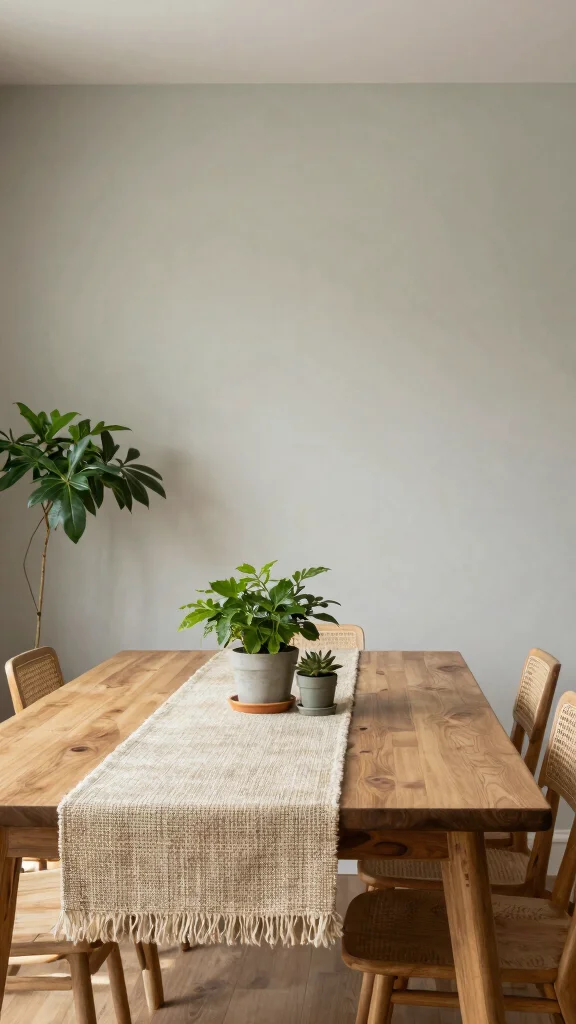
An earthy color palette is essential for infusing warmth into your Japandi dining room. Muted greens, soft browns, and gentle grays echo the hues found in nature, establishing a tranquil environment.
Start with neutral shades for walls and larger furniture, then introduce earthy tones through textiles and decorative pieces. Soft, woven placemats or a natural fiber table runner can add that touch of texture without overwhelming the senses.
Enhance your space with these ideas:
– Choose wall art featuring warm, natural tones.
– Incorporate cushions or curtains that soften hard edges.
– Use ceramic tableware that reflects cohesive earthy colors.
This approach adds depth while ensuring your dining area remains serene and uncomplicated, perfect for relaxation and connection.
Fun fact: An earthy color palette can make a Japandi dining room feel up to 30% warmer and more inviting. Start with neutral walls, then layer in textures like woven placemats and a natural fiber runner for real, actionable coziness. Your Japandi dining room ideas will sing with nature-inspired calm.
Recommended Products

Natural Italian Travertine Coasters with Holder - Crafted from real Travertino Romano, these rustic coasters are unique natural stone accessories featuring porous textures and warm color variations. The included gold metal holder not only organizes but also elevates your coasters, turning them into a showcased piece of refined elegance for your table or bar

Long Narrow Vertical Wall Art: Measuring 16"W x 48"H overall, this long narrow vertical wall decor pairs layered panels, a round vase, and faux greenery for rich depth and a natural look. Swap the faux stems to suit your style; the decorative vase does not hold water

[Abstract Boho Botanical Wall Art]: Bold abstract tropical leaf shapes, line work and organic forms on a neutral earth tone ground. Deep green, navy and soft tan bring a modern boho and mid century feel. Vertical size 24"Wx36"H (23.6"Wx35.4"H)
Earthy Color Palette
Editor’s Choice

DII Farmhouse Braided Stripe Table Runner Collection, 15×72 (15×77, Frin…

Der Rose Graduation Gifts 4 Pack Fake Plants Mini Artificial Greenery Po…
3. Functional Decor
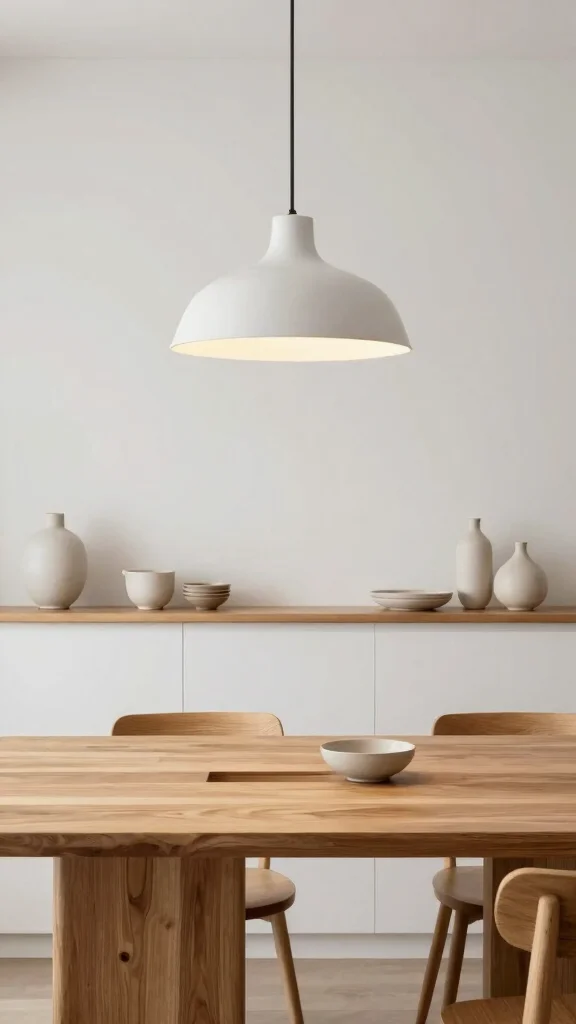
Functional decor is pivotal in Japandi style, where each piece serves a purpose while enhancing the aesthetic. Selecting items that are both beautiful and practical is key to achieving this balance.
Think about furniture with hidden storage, such as benches or tables that double as storage units, to keep your dining area tidy and uncluttered. Decorative elements should also have a function; handcrafted ceramics can serve meals or be displayed as art.
To achieve functional decor, consider:
– Use decorative shelving to creatively showcase dishes or plants.
– Choose stylish, energy-efficient lighting fixtures.
– Opt for extendable dining tables for versatility.
This approach ensures your dining room remains practical without sacrificing beauty, making it a perfect place for gatherings.
Recommended Products

🔅Natural Travertine & Solid Wood Craftsmanship:Handcrafted from genuine yellow travertine stone, solid wood, and frosted glass, this pendant light brings warm organic modern style to your home. Each stone shade features unique natural veining — no two lights are exactly alike, adding authentic artisanal character.
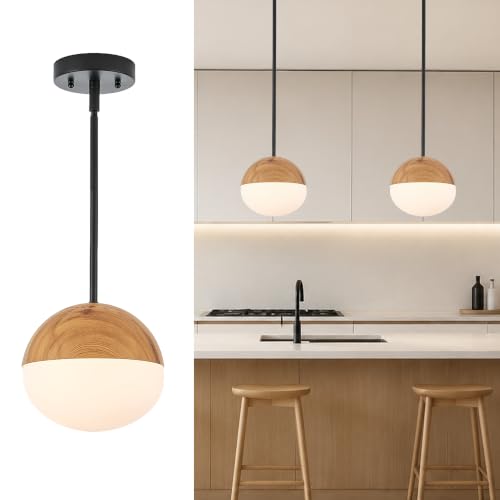
【Soft Modern Glow with Milk white Glass】The ELYONA pendant light pairs a milky white glass shade with a warm natural wood grain accent metal, creating a balanced look for modern, bauhaus, natural, farmhouse, transitional, and minimalist interiors. The 7.8 inch glass shade helps spread light in a soft, even way, so the fixture feels decorative without looking heavy over a kitchen island, dining table, nightstand area, entryway, vanity, or reading corner. Its simple single-light shape works well alone in compact spaces or in multiples over a long counter, giving your room a refined focal point with comfortable everyday illumination.
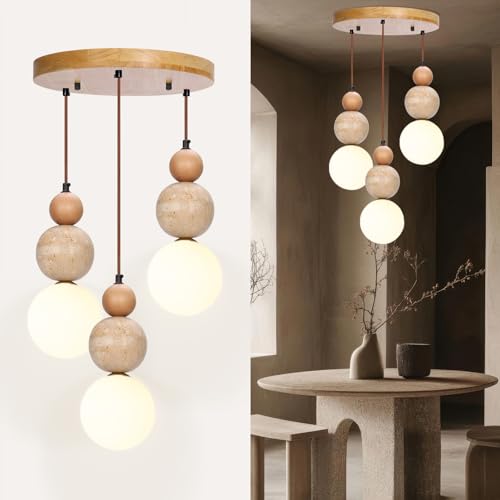
🌿【Natural Material & Wabi-Sabi Aesthetic】Made of genuine travertine stone, solid wood, and glass globes, this chandelier embodies Japandi & Wabi-Sabi styles. The natural stone’s unique textures and wood’s warmth bring an artisan-made, organic feel—perfect for adding handcrafted imperfection decor to kitchen islands or living rooms.
Functional Decor
Editor’s Choice

Chinese-style artistic ceramic tableware, home high-temperature resistan…

DUMOS 43 Inch Folding Storage Ottoman Bench, Large Hidden Storage Chest …
4. Textured Layers
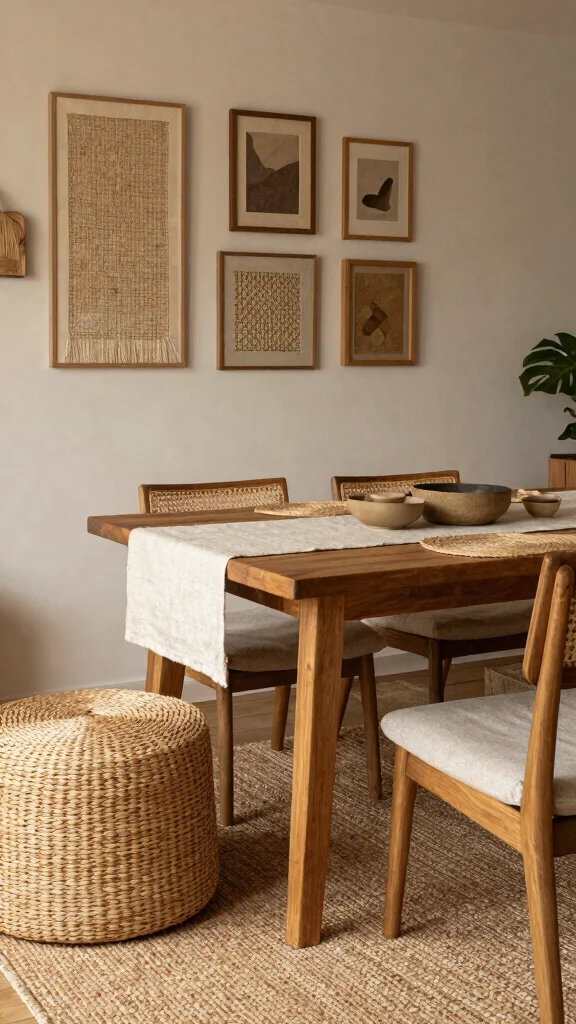
Textures are vital for infusing warmth and depth into your Japandi dining room. Mixing materials like wood, linen, and ceramics creates an inviting atmosphere.
Incorporate soft table runners, plush seat cushions, and woven placemats for tactile variety. These elements introduce comfort, vital for a space dedicated to sharing meals and creating memories.
Keep these layering tips in mind:
– Use natural fiber rugs to anchor the furniture layout.
– Add throw pillows in different fabrics for comfort.
– Choose ceramic or stone tableware that complements wooden furniture.
Focusing on textures will make your dining room feel both cozy and visually appealing, perfect for family gatherings.
Textures anchor Japandi dining room ideas with warmth. Mix wood, linen, and ceramics, then add soft runners and woven placemats for tactile depth. Start with a natural fiber rug to anchor the layout, and finish with plush cushions for cozy, shared meals.
Recommended Products

Expandable Seating Capacity – Homary oval dining room table extends from 63" to 78.7", comfortably seating 4 to 6 guests, making it a versatile extendable dining room table for various occasions.

ANTIQUE PINE WOOD TOP - Made with old reclaimed pine wood, each table tells its own story. Expect rich wood grain, natural imperfections, and unique textures that make every piece one-of-a-kind. (Pls understand that it is normal for an old pine table to have any color differences, scars, etc.)

ANTIQUE PINE WOOD TOP - Made with old reclaimed pine wood, each table tells its own story. Expect rich wood grain, natural imperfections, and unique textures that make every piece one-of-a-kind. (Pls understand that it is normal for an old pine table to have any color differences, scars, etc.)
🏡 Organize Your Calm Home
Transform your Japandi dining room into a serene oasis with our minimalist organizing guide today.
Textured Layers
Editor’s Choice

JONATHAN Y Estera Hand Woven Boucle Chunky Jute Natural Indoor Area Rug,…

Macrame Table Runner Cream Beige Boho Table Runners with Tassels Hand Wo…

BlissTrends Seat Cushion with Velvet Cover, Thick Memory Foam Cushions f…
5. Minimalist Lighting
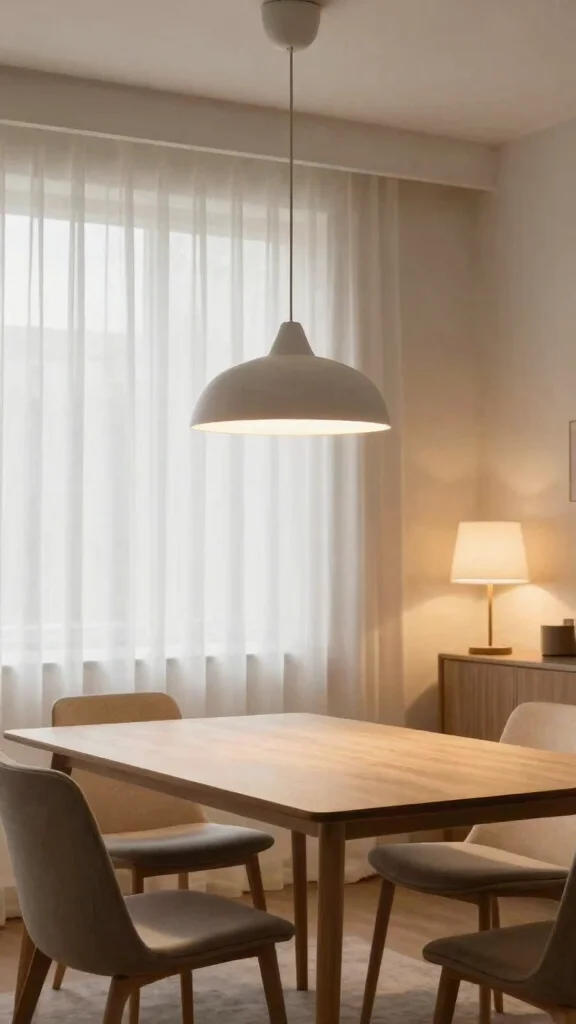
Lighting plays a crucial role in Japandi design, and minimalist lighting fixtures can enhance your dining room’s ambiance. Opt for simple yet elegant pendant lights that provide illumination without overwhelming the aesthetic.
Maximize natural light with sheer curtains that filter sunlight, creating a warm daytime glow. At night, soft ambient lighting fosters a cozy dining atmosphere.
For a balanced lighting scheme:
– Incorporate dimmable fixtures for adjustable brightness.
– Use wood or bamboo floor lamps to add soft corners.
– Layer different lighting sources like overhead and accent lights.
These choices transform your dining area into an inviting and functional space, perfect for any mealtime.
Recommended Products

High Quality & Durable : Made of 101% spun polyester, sturdy sewing, soft and durable, protecting your tables and furniture from scratches, stains and sun rays

[Premium Fabric]Made of premium fabric of polyester and spandex, searchI dining chair seat covers feature premium properties of high stretch, softness and durability that provides you a comfortable dinner environment. With excellent knitting craftsmanship, the seat covers is anti-wrinkle and won`t tear and fade easily.
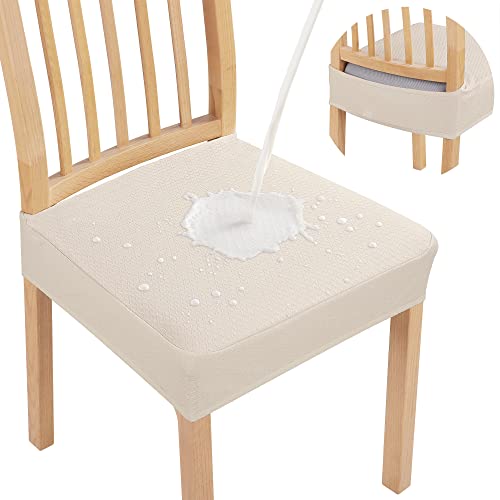
[Double Waterproof Fabric] Smiry chair covers with waterproof coating and TPU membrane backing. Dual waterproof feature can resist liquids spills and better protect your favorite furniture, does not need to clean these dining chair covers frequently
You might also like
Minimalist Lighting
Editor’s Choice

Modern Black Pendant Lights 2 Pack, LED Minimalist Pendant Lighting Fixt…

Beige Sheer Curtains 2 Panels Embroidered Leaf Patterned Rod Pocket Flor…

Globe Electric 65″ Floor Lamp, Wood-Toned Finish, White Cotton Shade, Ja…
6. Greenery and Natural Elements

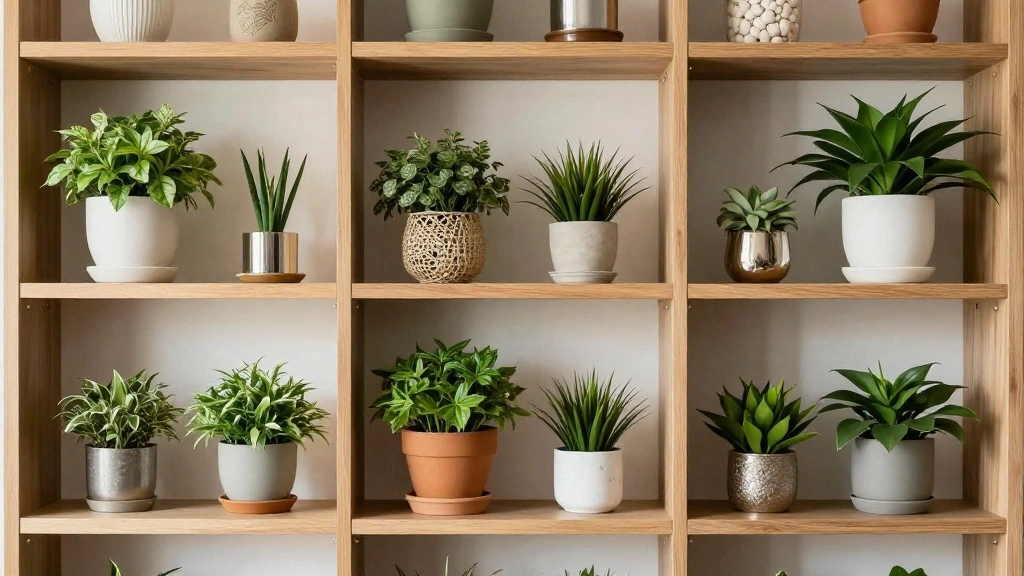
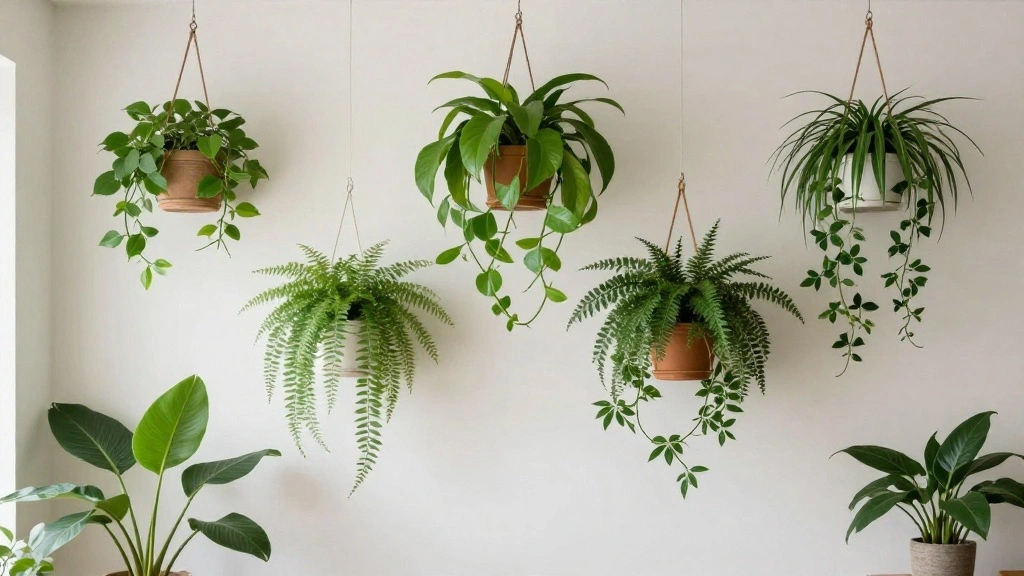
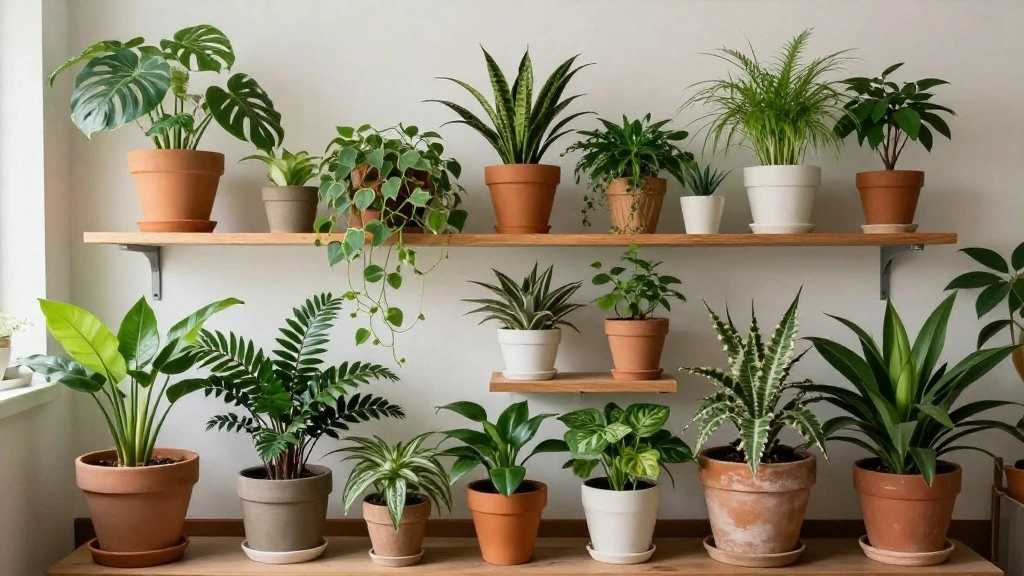
Integrating greenery into your dining room is vital for achieving the essence of Japandi design. Plants enhance air quality and infuse tranquility into your space. Select low-maintenance varieties like succulents, ferns, or bamboo to add life without burdening the decor.
Position plants on shelves or tables to amplify the organic feel of your design while keeping the minimalist aesthetic intact. Hanging plants can also draw the eye upward, creating a sense of spaciousness.
Consider these suggestions for adding greenery:
– Use textured ceramic pots to complement your decor.
– Group plants of varying heights for visual appeal.
– Incorporate herb pots on windowsills for utility and beauty.
This green touch strengthens your connection to nature, essential for crafting a warm and inviting dining area.
Recommended Products

Large Size Placemats - Measures 18.1" × 12.2" × 0.53" / 460 × 310 × 1.35 mm to hold up full plate settings.

1️⃣ 🖤 【Sleek 18-Branch Fullness in Versatile Grey】 Bring sophisticated neutrality and modern edge to your space with our artificial pampas grass. Each of the 8 tall stems features a lavish 18-branch handcrafted design, creating an exceptionally fluffy and full silhouette. The versatile grey hue – also described as charcoal grey, slate grey, ash grey, smoke grey, graphite, or stone grey – adds understated elegance and contemporary texture to any room, from living rooms to office spaces.

Sleek Matte White Vase for Modern Elegance - This large White vase boasts a matte white decor finish that exudes sophistication, effortlessly enhancing modern decor, white home decor accents, and boho decor bedroom. Its neutral tone pairs perfectly with white and white room decor or farmhouse decor living room for a timeless aesthetic.
📹 Related Video: How to Decorate Japandi
Greenery and Natural Elements
Editor’s Choice

Larksilk Boxed Succulent Assortment Set of 6 – 3″ Tall Realistic Faux …

Ceramic Modern Glaze Succulent Planter Pot with Drainage Hole and Saucer…
7. Sustainable Materials
Sustainability is central to Japandi style, emphasizing the use of sustainable materials in your dining room. Furniture made from reclaimed wood or eco-friendly sources promotes a healthier planet.
Opt for decor crafted from natural materials like bamboo, hemp, or organic cotton for an environmentally conscious approach. These materials not only look stunning but feel great in your space.
To reinforce your commitment to sustainability:
– Seek brands with ethical production practices.
– Incorporate vintage or second-hand items for character.
– Balance new and old pieces for a cohesive look.
This approach creates a dining environment that reflects your values while remaining visually appealing.
Recommended Products

【Modern Minimalist Wood Linear Pendant Light】:This wood linear pendant using 100% solid wood (American ash),make life closer to nature. wooden parts:59 x 1.7x 1.7inches(l*w*h).The side view is a square design,very simple.The mounting part:18.9 x 4.3 x 1.4 inches(l*w*h) can cover USA standard electrical boxes.The maximum height of the chandelier is 78inches(Adjustable).Notice:please do not use dimming switch, dimming equipment has been configured inside the light, please use ordinary wall button switch,otherwise the light fixture may flicker.

【Unique Natural Travertine Material】Each pendant light is crafted from genuine natural travertine, featuring a distinctive porous texture and earthy tones. Because it’s natural stone, every lamp possesses a unique pattern, bringing a one-of-a-kind organic masterpiece into your living space

[Large Dining Table] This long wooden dining table is perfect for seating 6 to 8 people, making it an ideal choice for family gatherings. This kitchen table measures 70.87" L x 35.4" W x 30" H, and the thickest part of the tabletop is 4.9 inches. It can serve as meeting table, executive desk, computer desk, dining room table, gaming desk, craft desk and so on
Sustainable Materials
Editor’s Choice

7-Piece Farmhouse Wooden Dining Room Table Set for 6, 59″ Reclaimed Wood…

Native Fab Solid Light Yellow Cloth Napkins Set of 4, 100% Cotton Washab…

Doter Premium Lucky Bamboo Soil Mix 1qt, Indoor Plants Potting Mix for A…
8. Layered Patterns
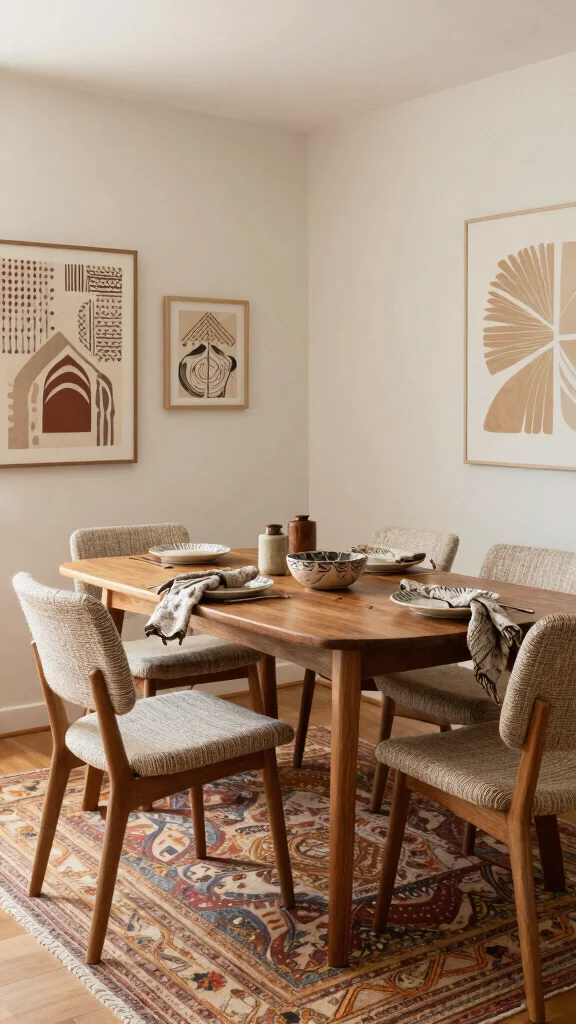
While Japandi design champions simplicity, layered patterns can introduce visual interest to your dining space. Subtle patterns in textiles or wall art create unique focal points without overwhelming the senses.
Consider patterned tableware, such as plates or napkins, that echo earthy tones, blending seamlessly with your decor. Textures and patterns can also be woven through rugs or wall hangings, adding depth and warmth to the environment.
Here are some effective ways to layer patterns:
– Stick to a color palette ensuring harmony.
– Combine large and small patterns for balance.
– Use patterned cushions to enhance comfort and style.
Thoughtfully layering patterns can elevate your Japandi dining room, making it a cozy retreat for meals and gatherings.
Recommended Products

What's Included: 1 x Dining Table, Hardware Kits, and Assembly Instructions (Table Only, Stools Not Included)

Large Table Top: 69 "L x 33" W x 30 "H indoor dining table can comfortably accommodate 6 people at the same time. Enough spacious wooden table can be used to place vases, tableware and other items, bringing more convenience to your life

ANTIQUE PINE WOOD TOP - Made with old reclaimed pine wood, each table tells its own story. Expect rich wood grain, natural imperfections, and unique textures that make every piece one-of-a-kind. (Pls understand that it is normal for an old pine table to have any color differences, scars, etc.)
You Might Also Like
Layered Patterns
Editor’s Choice

Home Dynamix Tribeca Jasmine Contemporary Geometric Area Rug, Brown/Red,…

Annovero Dinner Plates – Mismatched Colorful Dinnerware Set of 6 – Fun D…

Framed Japanese Wall Art, Vintage Abstract Blue Waves Canvas Wall Decor …
9. Open Spaces
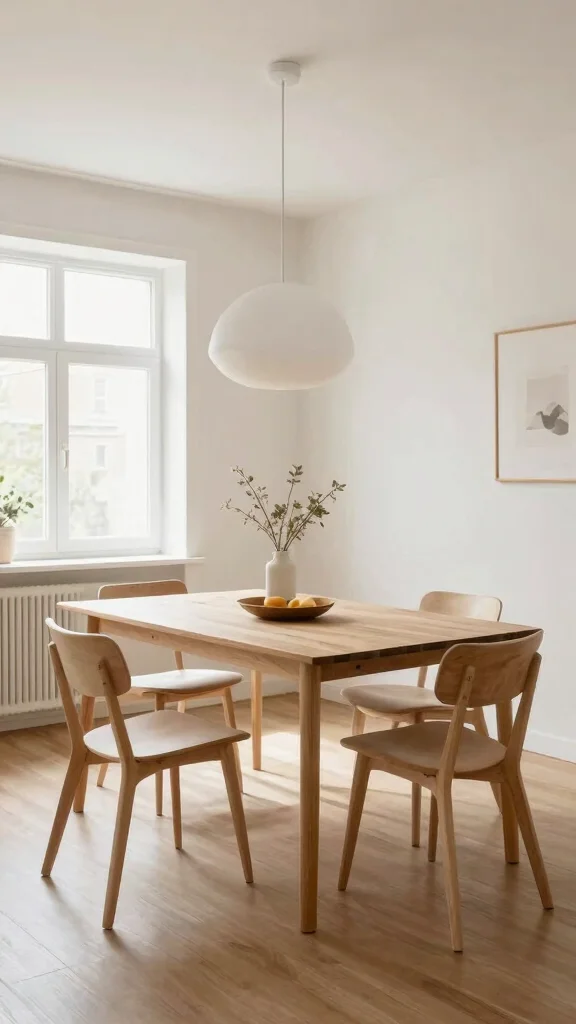
Open spaces are fundamental in Japandi design, fostering calmness and serenity in your dining area. Avoid clutter by selecting appropriately scaled furniture, which allows for easy movement and flow.
Consider an expandable table for gatherings, ensuring it doesn’t dominate the space when not in use. This flexibility cultivates a versatile environment, ideal for both intimate dinners and larger celebrations.
When designing an open dining area:
– Keep accessories minimal for a clean look.
– Choose furniture that can be rearranged as needed.
– Ensure clear sightlines across the room for openness.
Creating an airy environment invites relaxation and connection, transforming mealtime into a cherished experience.
Open spaces are at the heart of Japandi dining room ideas—keep calm, don’t crowd the area. Choose appropriately scaled furniture and an expandable table to host gatherings without overpowering the room. A clutter-free layout makes every meal feel simple, warm, and sustainable.
Open Spaces
Editor’s Choice
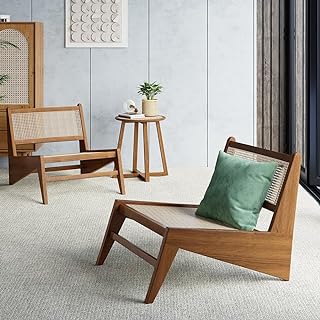
homary Mid Century Modern Chair Japandi Walnut Rattan and Wood Lounge Ch…

41 in-78 in Extendable Dining Room Table for 4-8, Round Expandable Kitch…
10. Personal Touches
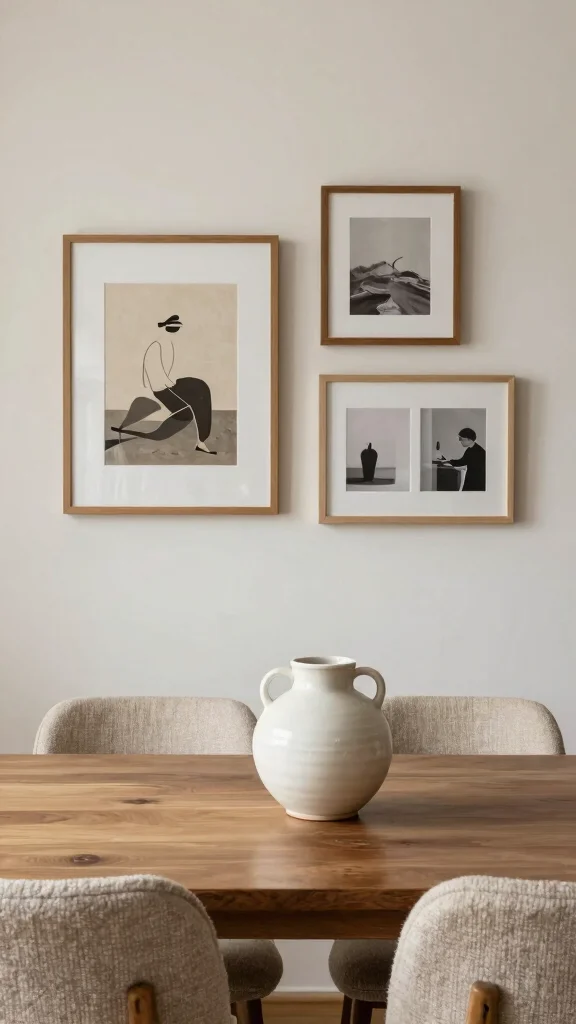
Lastly, adding personal touches to your Japandi dining room makes it distinctly yours. Display items reflecting your personality or heritage, like handcrafted art, family heirlooms, or travel souvenirs that align with the Japandi aesthetic.
Consider a beautifully designed ceramic vase from your travels or an artwork resonating with your experiences.
To personalize your space:
– Incorporate framed photos in minimalist frames.
– Choose a signature color for small decor elements.
– Create a dedicated display area for collectibles that complements your design.
These thoughtful details transform your dining room from a mere meal space into a true reflection of your journey and tastes.
Personal Touches
Editor’s Choice

Artiluxy 3D Minimalist Textured Wall Art Set of 2 – 16×20 in Neutral …

Umbra Exhibit Picture Frame Gallery Set, Adjustable Wall Collage Display…

Face Vase Unique Ceramic Vase for Room,Office,Home Decor,White,A
Conclusion
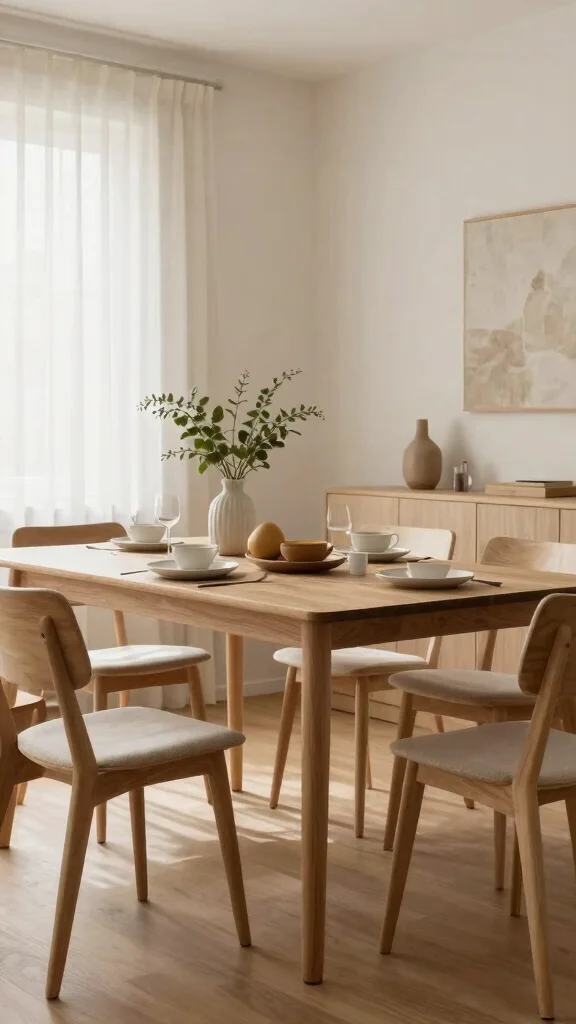
Creating a Japandi dining room that combines warmth and simplicity is about embracing the beauty of natural materials, thoughtful design, and personal expression.
By focusing on sustainable elements, layered textures, and functional decor, you can cultivate a peaceful space that feels both welcoming and stylish.
Whether you’re hosting a dinner party or enjoying a quiet meal alone, these ideas can transform your dining area into a cherished gathering place.
Note: We aim to provide accurate product links, but some may occasionally expire or become unavailable. If this happens, please search directly on Amazon for the product or a suitable alternative.
This post contains Amazon affiliate links, meaning we may earn a small commission if you purchase through our links, at no extra cost to you.
Frequently Asked Questions
What defines great Japandi dining room ideas that balance warmth and simplicity?
Great Japandi dining room ideas blend Japandi style with warm, inviting touches. Think clean lines, natural materials, and a calm, uncluttered atmosphere.
Key elements include Scandinavian design principles like minimalist spaces, a neutral base palette, and functional decor that serves a purpose.
To achieve this in your space, start with a simple, quality foundation (quiet walls and a durable dining table in warm wood), add texture with textiles and ceramics in earthy tones, and choose sustainable finishes for a longer-lasting look.
How can I incorporate sustainable materials into a Japandi dining room design?
Choose FSC-certified wood for furniture, bamboo or cork flooring, linen and wool textiles, recycled metal hardware, and low-VOC paints. Shop second-hand pieces with good bones and refinishing rather than buying new. Pair sustainable choices with durable construction so they last and waste is reduced. Finally, select lighting and accessories with warm color temperatures to keep the room feeling cozy.
What are practical tips to create a minimalist dining room with warm tones in Japandi style?
To create a minimalist dining room with warm tones in Japandi style, start with a restrained color palette—two to three warm neutrals works best. Choose a dining table in warm wood and slim, simple chairs. Keep surfaces uncluttered and use hidden storage to hide everyday essentials. Layer texture with textiles (rugs, cushions, linen napkins) and handmade ceramics in earthy hues. Finish with a single, natural centerpiece like a potted plant or a vase to avoid clutter.
How can I balance functional decor and Scandinavian design in a modern Japandi dining room?
Balance functional decor and Scandinavian design by choosing multi-functional pieces—an extendable dining table, benches with hidden storage, or a sideboard that doubles as a serving station. Keep furniture in simple, clean silhouettes and unify the space with consistent materials like light oak, stone, and linen. Use layered lighting (pendant, floor lamp, and ambient) to support tasks and mood, and add a small amount of greenery to soften the look.
What are easy, budget-friendly updates to refresh a Japandi dining room without losing its calm aesthetic?
Try budget-friendly updates that respect the calm aesthetic of Japandi dining room ideas. Start with a layout refresh to improve flow, then swap textiles (cushions, a table runner) in warm tones. Add a statement but inexpensive lighting piece or a simple pendant with a warm finish. Reupholster or refinish existing chairs instead of buying new, and give walls a fresh warm neutral paint. Shop thrift stores or online marketplaces for sustainable decor you love, and keep changes minimal to preserve the peaceful vibe.
Related Topics
Japandi dining room
minimalist design
warm tones
functional decor
Scandinavian design
sustainable decor
cozy interiors
home organization
beginner friendly
open concept
natural materials
tranquil spaces