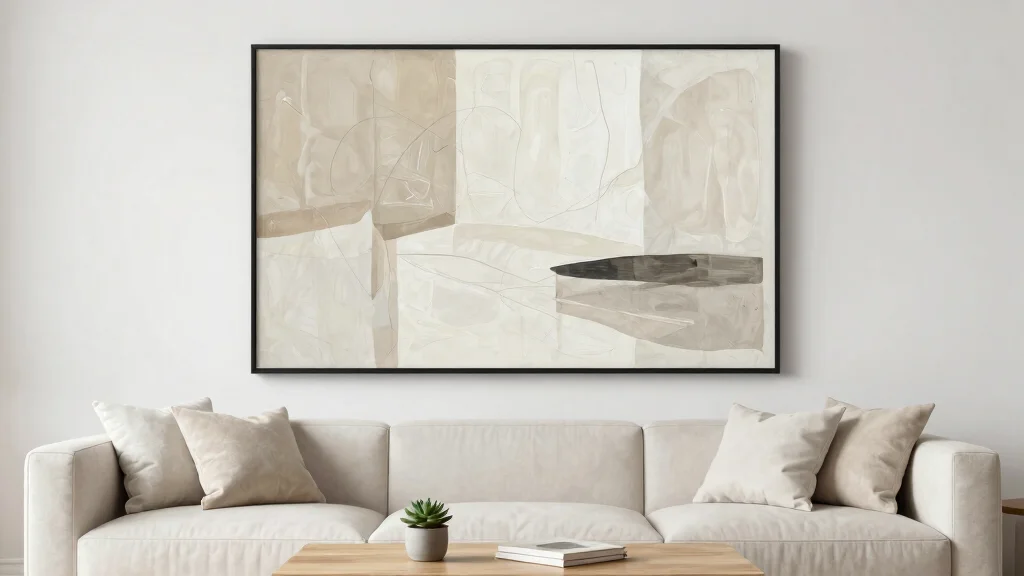
When it comes to decorating your walls, the options can feel overwhelming. The contrast between a single large piece of art and a gallery grid layout can shape the entire feel of your space. If you’re like many who crave a minimalist aesthetic in small areas, you’re probably searching for inspiration that merges style with simplicity. This post is designed to help you navigate that dilemma, offering a deep dive into the art of minimalist wall styling with insights into both approaches.
If you’re passionate about home decor and modern interior design, this guide is for you. You care about creating a living space that reflects your personality while maintaining a clean and uncluttered look. Whether you’re a new homeowner or simply looking to refresh your space, you’ll find actionable tips that resonate with your design aspirations. From choosing large wall art pieces that command attention to crafting a cohesive gallery wall that tells your story, I’ve gathered ten inspiring ideas that will elevate your home styling game.
By the end of this post, you will grasp the nuances of minimalist wall decor and how to choose between single large art versus gallery grid designs. You’ll gain insight into color, texture, and the importance of negative space, ensuring that your walls become a stunning focal point rather than just blank canvases. Let’s explore these minimalist wall styling ideas and reimagine your small space together.
Key Takeaways
– Single Large Art creates a bold statement, drawing immediate attention and serving as a focal point in your room. Choose pieces that resonate with your personal style for maximum impact.
– Gallery Grid Layout allows for more creativity and personalization, showcasing a collection of artworks that reflect your interests and experiences. This approach can visually expand your space.
– Color and Texture play crucial roles in both styles. Incorporate varying hues and materials to add depth and interest without overwhelming the minimalist vibe.
– Negative Space is essential for both techniques. Leaving space around your art helps it stand out and allows your walls to breathe, enhancing overall aesthetic appeal.
– Lighting is a game-changer. Proper lighting can transform your artwork and accentuate details, making either style feel more dynamic and inviting.
1. Embrace the Boldness of Single Large Art
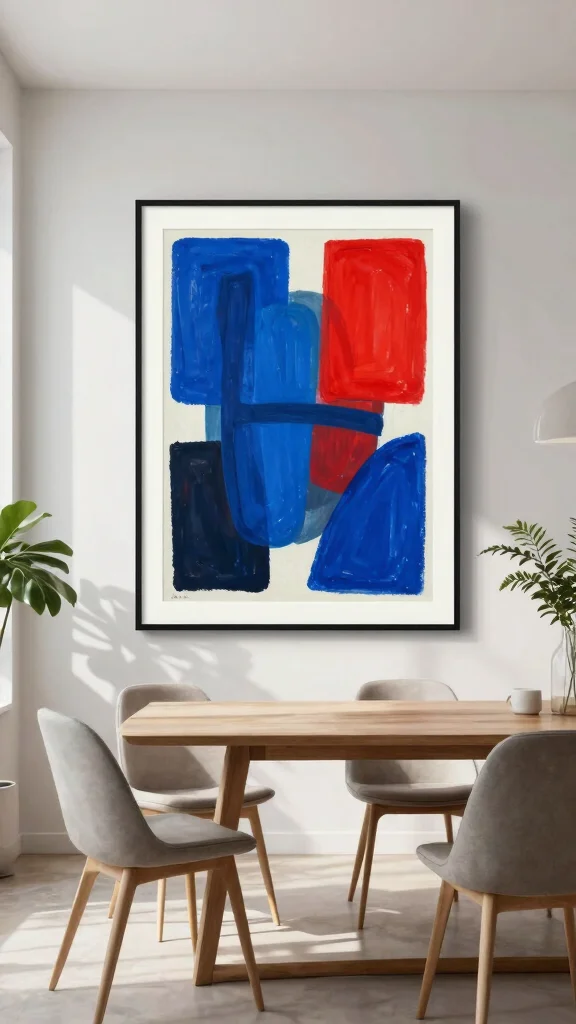
A single large art piece can dramatically enhance your home, especially in compact areas. This bold choice naturally draws attention, crafting a striking focal point that revitalizes any room. Imagine a vibrant abstract canvas against a soft, neutral wall—it’s a captivating sight that energizes your space.
Choosing a single large artwork allows for simplicity, reducing visual clutter and making your home feel more expansive. This versatile option fits various styles, letting you express your personality effortlessly. Plus, a standout piece can spark conversations, adding charm to your living area.
Consider these strategies for incorporating a large art piece:
– Pair a vibrant abstract canvas with muted furniture.
– Hang it at eye level to create a powerful impact.
– Incorporate spotlighting to enhance its visual appeal.
Using a single large art piece not only highlights your individuality but also creates a beautifully minimalist backdrop that invites admiration.
📹 Related Video: The Easiest and Fastest Way to Hang Heavy Things
Embrace the Boldness of Single Large Art
Editor’s Choice

KLAKLA Extra Large Wall Art – Abstract Huge Canvas Picture Wall Decor Li…


HAUS AND HUES Black Oak Wood 11×14 Picture Frame – Modern Wood Wall Art …
2. Create Visual Balance with a Gallery Grid
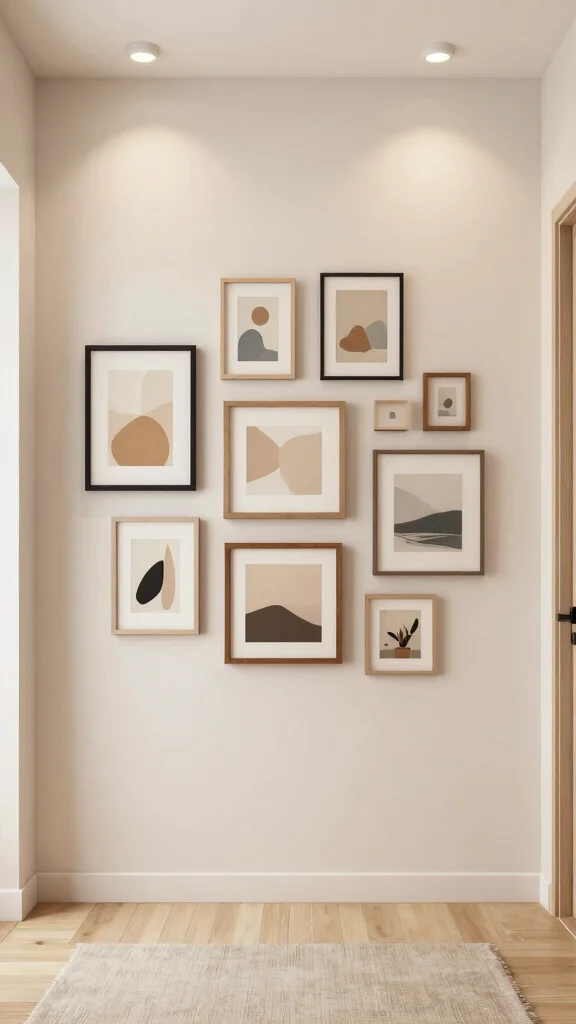
Gallery grids offer a fantastic way to display diverse art pieces, perfect for those who appreciate variety. This arrangement allows you to curate a collection of smaller artworks or photos that showcase different facets of your personality. Imagine a collection of colorful prints framed together—it’s a delightful visual feast.
To create an engaging gallery grid, think about a cohesive theme that ties your pieces together. Mixing various sizes adds dynamism, while consistent spacing between frames ensures a polished look. This personalized approach brings warmth and life to your walls, making them feel inviting.
Here are some tips for building a gallery grid:
– Choose a unifying color scheme to create harmony.
– Arrange pieces on the floor first to visualize the layout.
– Use consistent frame styles for a cohesive appearance.
A gallery grid not only breathes life into your space but also transforms bare walls into a vibrant display of memories and creativity.
Create Visual Balance with a Gallery Grid
Editor’s Choice

Go Hang It! Pro, All-in-One Picture Hanging Kit – Picture Leveling and H…
3. Play with Color and Texture
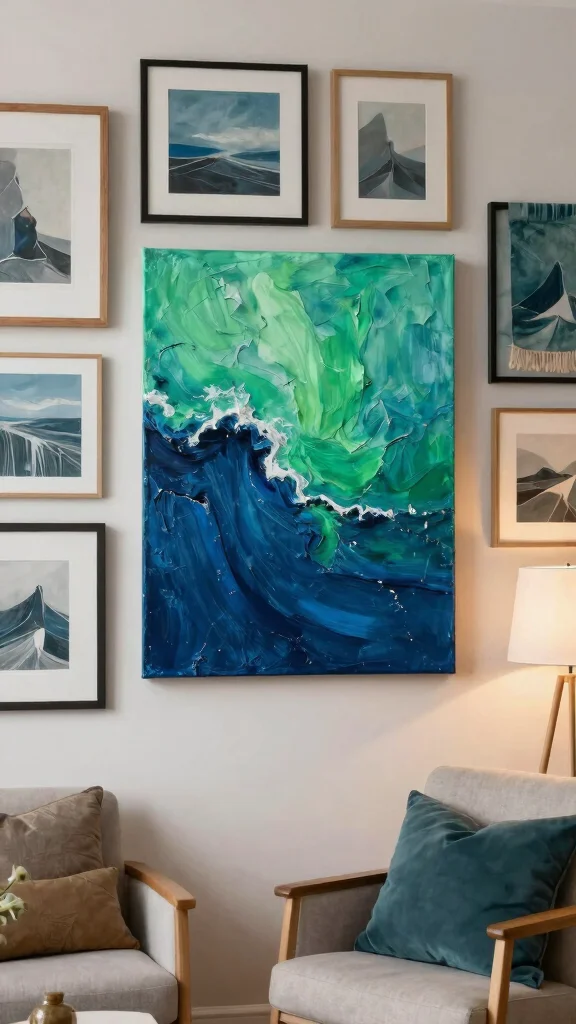
Whether you choose a single large piece or a gallery grid, integrating varied colors and textures can elevate your design. A large artwork with rich, tactile elements adds depth, while a gallery display featuring mixed-media pieces creates an engaging sensory experience. Imagine the contrast of smooth surfaces against textured fabrics—it’s visually compelling.
To effectively enhance your walls, consider layering different materials. Mixing textile art with traditional frames can create a unique aesthetic that captures attention. Additionally, pairing bold colors with subtle tones generates striking contrasts, enriching the overall look of your space.
Here’s how to play with textures:
– Layer textile wall hangings with framed art.
– Contrast bold artwork with soft-toned smaller pieces.
– Select mixed-frame styles for visual diversity.
These techniques not only beautify your walls but also contribute to the overall atmosphere, making art an integral part of your home’s personality.
Play with Color and Texture
Editor’s Choice

SESEAT Picture Frames Collage, Gallery Wall Frame Set with 11×14 8×10 5x…

3D Wood Textured Large Neutral Abstract Wall Art, Modern Beige Brown Geo…

SAFAVIEH Home Collection Terra Framed Textile Wall Art – 30-Inch Squar…
4. Use Negative Space for Impact
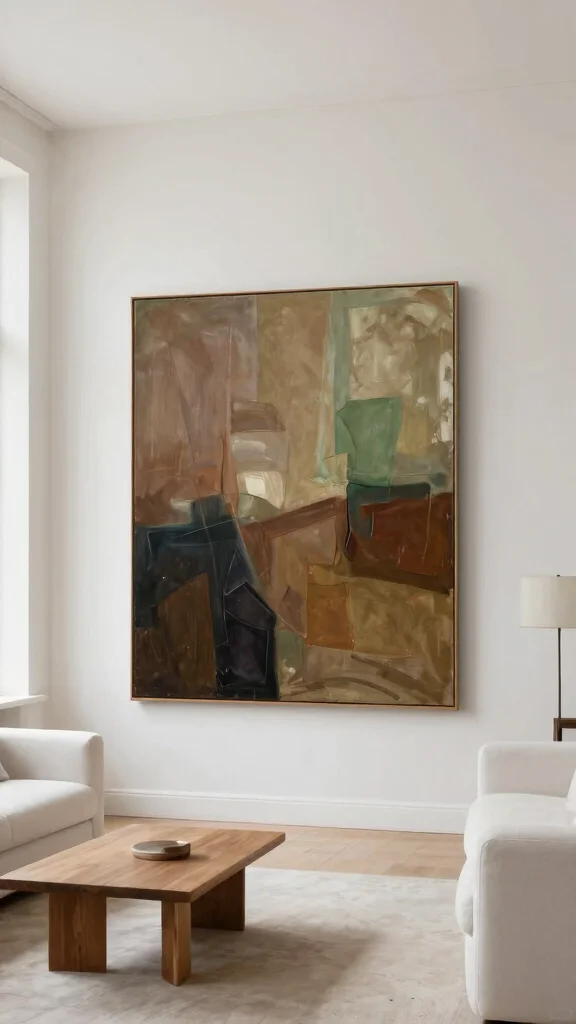
In minimalist design, negative space is crucial for achieving balance and allowing artwork to shine. When using a single large piece, consider the surrounding area to enhance its presence. A thoughtfully placed artwork surrounded by empty space can create an air of elegance and sophistication.
To maximize the impact of negative space, ensure the artwork has enough room to breathe. Select a wall that draws traffic, giving your art the attention it deserves. Additionally, be mindful of measurements to avoid small pieces getting lost on expansive walls.
Here are some tips for utilizing negative space:
– Leave ample space around the artwork for emphasis.
– Choose a prominent wall for larger art pieces.
– Avoid overcrowding with furniture nearby.
This attention to negative space not only highlights individual artworks but also fosters a harmonious flow throughout your home.
Fun fact: A single large artwork surrounded by generous negative space can read up to 60% larger and feel calmer than a crowded gallery wall. For small spaces, embrace minimalist wall styling ideas—go with a single art vs gallery approach and give it room to breathe.
Use Negative Space for Impact
Editor’s Choice
Framed Abstract Canvas Wall Art Decor, Minimalist Wall Prints for Bedroo…

ECOSEAO Minimalist Picture Frame Acrylic Glass Photo Frame with Desktop …
5. Frame It Right: The Importance of Choosing Frames
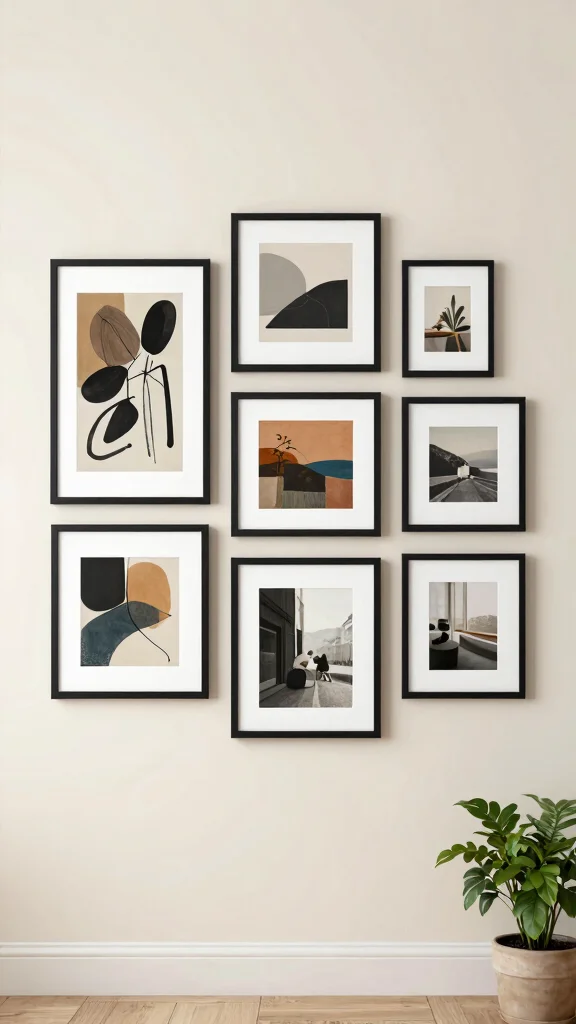
Selecting the right frame can dramatically alter how your art is perceived. Whether you feature a single bold piece or multiple smaller artworks, the frame should enhance the piece without overshadowing it. Picture a sleek black frame that complements a vibrant painting—it draws the eye without overpowering the art.
Consider matching the frame to the art style to create a cohesive look. If you’re displaying a gallery wall, aim for consistency in color or material while allowing for some variation in shapes. A well-chosen mat can also elevate smaller pieces, adding a polished touch.
Keep these framing tips in mind:
– Match frames to the artwork’s style for unity.
– Ensure frames share a cohesive look for gallery walls.
– Add mats to enhance smaller pieces visually.
Choosing the right frame not only showcases your art beautifully but also maintains a serene ambiance in your minimalist decor.
You might also like
🖼️ Simplify Your Space Today
Transform your home into a minimalist sanctuary with our ultimate organizing guide for every room.
Key Trade-offs & Our Top Pick
Single Large Art
– Pros:
– Makes a bold statement, creating a focal point in the room.
– Requires less effort in arrangement, saving time on styling.
– Ideal for small spaces, as it doesn’t clutter walls with too many pieces.
– Cons:
– Limited flexibility in design, as it mostly stands alone.
– May not suit all decor styles, particularly more traditional setups.
– Can be expensive depending on the artist or print.
– Best for: Small living rooms or bedrooms where you want to make a significant visual impact without overwhelming the space.
Gallery Grid
– Pros:
– Offers variety and personalization by mixing different art styles and sizes.
– Allows for creative expression through unique arrangements.
– Can fill a larger wall, adding depth to the decor.
– Cons:
– Requires more time and effort to plan and arrange effectively.
– Risk of looking cluttered if not done thoughtfully.
– May need more frames and artwork, which can escalate costs.
– Best for: Larger spaces where you want to create a dynamic and engaging atmosphere, such as in a hallway or above a sofa.
Monochrome Art Collection
– Pros:
– Creates a cohesive look that’s easy to match with existing decor.
– Often easier to find and less expensive than colorful pieces.
– Perfect for modern designs, promoting a minimalist aesthetic.
– Cons:
– May lack visual interest if too uniform.
– Limited color palette could feel restrictive.
– Might not be suitable for all tastes, especially those who prefer vibrant colors.
– Best for: Modern homes that embrace a minimalist vibe, where simplicity is key.
Nature-Inspired Art
– Pros:
– Brings an organic feel to the space, promoting tranquility and calm.
– Versatile in styles, fitting well with various design themes.
– Often available in both large and small formats, offering flexibility.
– Cons:
– Can be overly thematic, which might limit decor options in the future.
– May not provide the boldness some rooms need.
– Depending on the artist, prices can vary widely.
– Best for: Spaces aiming to connect with the natural world, such as living rooms or cozy reading nooks.
Seasonal Art Swaps
– Pros:
– Keeps your space feeling fresh and current through the year.
– Allows for creative expression that changes with the seasons.
– Can be cost-effective if you create or print your own pieces.
– Cons:
– Requires regular effort and maintenance to change out art.
– Risk of inconsistency if not planned well.
– Can clutter walls if too many pieces are displayed at once.
– Best for: Dynamic homes where residents enjoy frequent updates and an evolving aesthetic.
Expert Recommendation:
Best Overall: Single Large Art
For most people, single large art is the top choice. It offers a bold visual impact that is easy to maintain and style. This option balances value for money, as you typically invest in one significant piece rather than multiple smaller ones. It also enhances versatility and fits seamlessly into various decor styles. With fewer elements to coordinate, you can achieve a chic, modern look with minimal effort.
Why We Picked This:
While single large art is ideal for those seeking an effortless yet impactful approach, others may prefer the creativity of a gallery grid or the calmness of nature-inspired art. Ultimately, your choice should reflect your personal style and the mood you want to create in your space.
Frame It Right: The Importance of Choosing Frames
Editor’s Choice

10 Pack Picture Frame Mats, 11×14 Matted to 8×10 Photo Mats, Acid Free P…

BestNest Panacea 82692 Laser Engraved Botanical Wall Art Assortment, Set…

Vittanly 15 Pack Picture Frames Collage Wall Decor for Mounting or Table…
6. Going Monochrome for a Cohesive Look
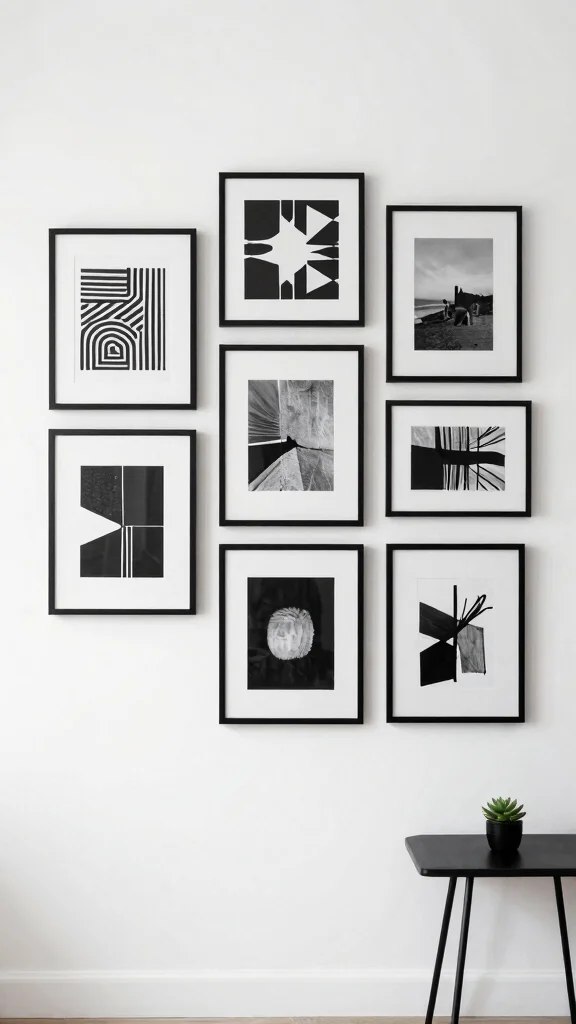
Monochrome color schemes are an excellent choice for minimalist wall styling, creating a serene and sophisticated atmosphere. This approach simplifies your decor choices, allowing for creativity in the selection of various pieces. Picture a gallery wall adorned in shades of grey—it’s both calming and visually intriguing.
The advantages of a monochrome theme include a unified aesthetic, making your space feel more harmonious. You can mix textures and materials without worrying about clashing colors, ensuring a timeless look that remains stylish for years.
Consider these tips for implementing a monochrome palette:
– Use varying shades within a chosen color for depth.
– Incorporate different textures to maintain interest.
– Keep accessories in the same color family for cohesion.
This approach not only enhances the overall look but also creates a sophisticated backdrop for your art.
Going Monochrome for a Cohesive Look
Editor’s Choice

Framed Black and White Botanical Wall Art, Set of 4 Piece Vintage Minima…
Vittanly 15 Pack Picture Frames Collage Wall Decor for Mounting or Table…

CroBlissful 2 Pcs Mid Century Modern Wall Art Wood Mid Century Elegance …
7. Incorporate Nature-Inspired Art
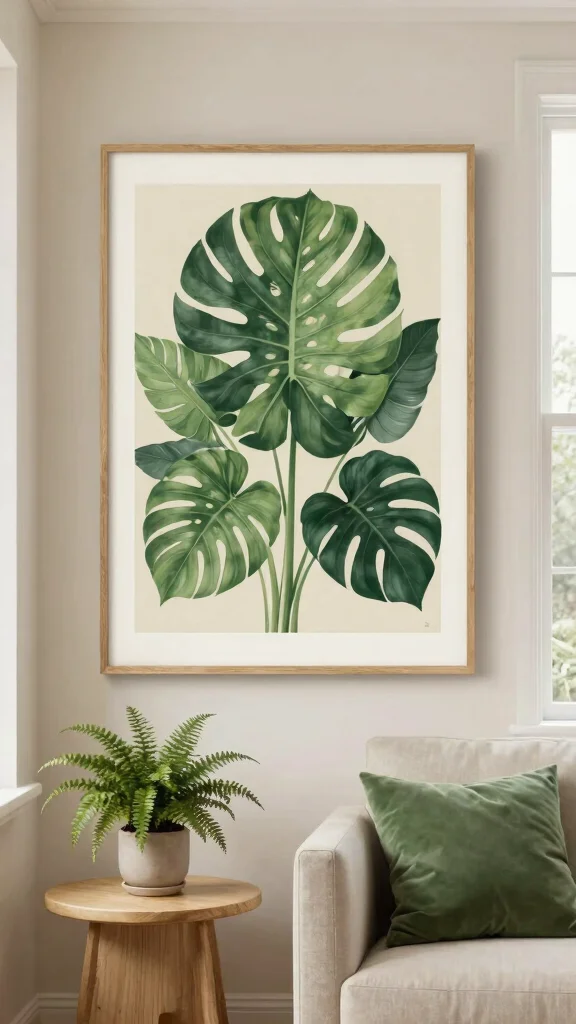
Nature-inspired art brings warmth and tranquility to your home, aligning perfectly with minimalist design principles. By connecting indoor spaces to the calming essence of the outdoors, you create an inviting atmosphere. Imagine lush botanical prints adorning your walls—it’s like bringing a garden inside.
To integrate nature into your decor, consider using large botanical illustrations or earthy-toned landscapes. These choices can create a serene environment that fosters relaxation. Additionally, wooden or reclaimed frames can beautifully enhance the organic feel of your artwork.
Here are some ways to incorporate nature-inspired art:
– Choose large botanical prints for impactful focal points.
– Select art in earthy tones for a calming vibe.
– Use natural frames to complement your artwork.
Thoughtfully placed nature-inspired art not only beautifies your space but also invites emotional connections, creating a warm and welcoming home.
Bring nature into your minimalist wall styling ideas single art vs gallery approach with one bold botanical print. Choose earthy tones and large-scale pieces to anchor the room, then balance with simple furnishings for a calm, usable space.
Incorporate Nature-Inspired Art
Editor’s Choice

imjiayu Tree of Life Wall Art, Large Wall Art, Nature Wall Decor, Women …

3Pcs Graffiti Thinker Statue Accents Reading Women Sculptures, Modern Ae…

Peryiter 3 Pcs Modern Minimalist Wall Decor Abstract Metal Wall Art Meta…
8. Use Art as a Reflection of Your Personality
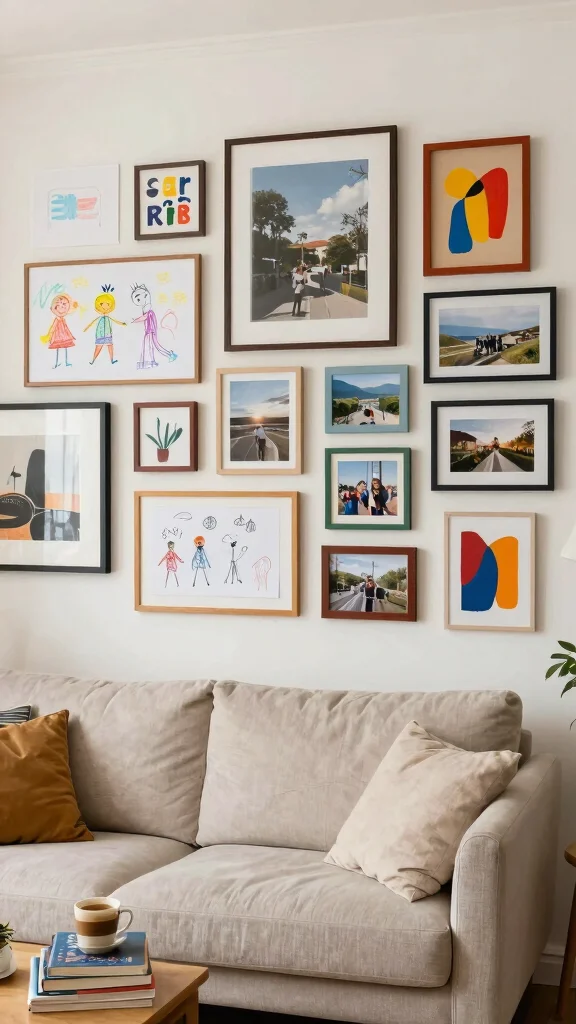
Art serves as a powerful form of self-expression, whether through a bold standalone piece or a carefully curated gallery wall. Your selections can reflect your interests and experiences, adding depth and character to your home. Picture a vibrant artwork that resonates with your journey—it’s a unique narrative.
To effectively use art as a personal statement, choose pieces that resonate with you. Mixing styles can weave a rich tapestry of influences that tell your story, especially in a gallery grid setup. Regularly rotating your art keeps the space feeling fresh and allows for new expressions of your evolving taste.
Consider these strategies for personalizing your art:
– Select pieces that carry personal significance.
– Combine different styles for a unique narrative.
– Rotate art periodically for a fresh look.
Personalized art not only adds uniqueness to your home but also fosters a sense of comfort, inviting connections with both you and your guests.
You Might Also Like
Use Art as a Reflection of Your Personality
Editor’s Choice

Large Framed Green Waves Abstract Ocean Nature Wall Art Modern Canvas Pr…

upsimples 19 Pack Picture Frames Collage Wall Decor for Mounting or Tabl…

FLYJOE Floating Picture Ledge Shelves for Wall Set of 4, 48 Inch Wall Sh…
9. Seasonal Art: Refreshing Your Space
Switching out wall art seasonally is a creative way to keep your decor vibrant and dynamic. This practice allows you to embrace seasonal themes while maintaining a minimalist aesthetic. Imagine swapping in light, airy pieces for spring and cozy, darker tones for winter—it’s a refreshing change.
To embrace seasonal art, curate collections that reflect the changing seasons. Keeping versatile frames handy can make transitions effortless and enjoyable. A gallery wall is a perfect showcase for seasonal art, allowing for easy updates throughout the year.
Here are some tips for incorporating seasonal art:
– Curate collections that reflect each season.
– Use versatile frames for easy swapping.
– Highlight seasonal pieces in a gallery wall.
Embracing seasonal art keeps your home feeling lively and inviting, allowing your decor to evolve beautifully with the changing year.
Seasonal art refreshes your space every 6–8 weeks. It keeps minimalist wall styling ideas and the single art vs gallery decision fresh—swap airy pieces for spring and cozy tones for winter, then enjoy a dynamic gallery that still reads clean and calming.
Seasonal Art: Refreshing Your Space
Editor’s Choice

Forever Friends Picture Photo Frame, Unique and Cute Picture Frame, Frie…
10. The Power of Lighting
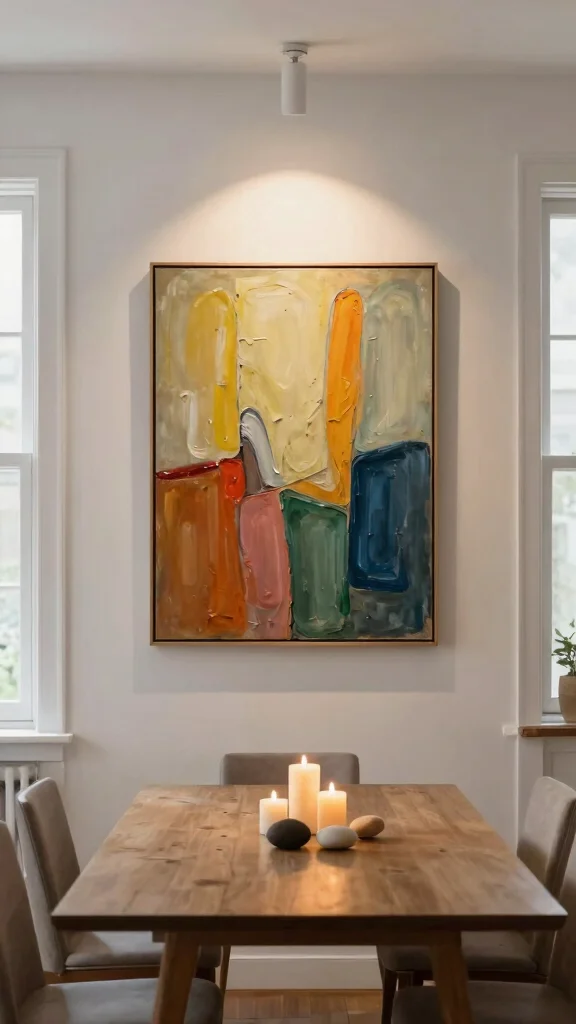
Lighting is essential in how your wall art is perceived, enhancing colors and textures to ensure they captivate viewers. Imagine soft, diffused sunlight illuminating your artwork—it’s a beautiful effect that brings it to life. Thoughtful lighting can transform the simplest piece into a stunning focal point.
To maximize the impact of your art, position it where it can receive natural light without risking fading. Accent lighting, such as spotlights, can draw attention to specific pieces, while ambient lighting sets the overall mood of the room.
Consider these lighting tips:
– Utilize natural light for a vibrant effect.
– Install accent lights to highlight key artworks.
– Opt for dimmable fixtures for cozy evenings.
With the right lighting, your wall art shines brightly, adding warmth and personality to your minimalist decor.
The Power of Lighting
Editor’s Choice

Kasa Smart Dimmer Switch HS220, Single Pole, Needs Neutral Wire, 2.4GHz …

SUNVIE 2 Pack LED 120V SpotLights Indoor, 3W Up Lights Floor Spotlight, …

Cocoweb 16 Inch Tru-Slim Antique Brass Picture Light – LED, 2700K, Adjus…
Conclusion
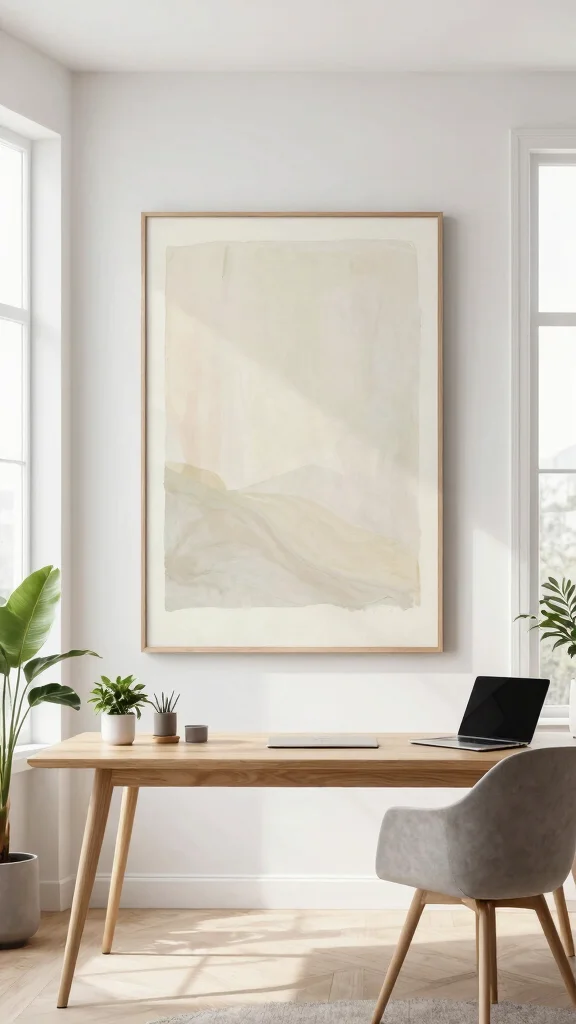
Choosing between single large art pieces and gallery grids can significantly influence your home’s aesthetic. Both styles offer unique advantages depending on your taste and space.
Single large artwork can become a bold statement, while a gallery grid can reflect your personality and creativity in a cohesive way. Whichever you choose, the key is to ensure that your wall art feels authentic to you and enhances your living space.
Start experimenting with your walls today and embrace the beauty of minimalist wall styling!
Note: We aim to provide accurate product links, but some may occasionally expire or become unavailable. If this happens, please search directly on Amazon for the product or a suitable alternative.
This post contains Amazon affiliate links, meaning we may earn a small commission if you purchase through our links, at no extra cost to you.
Frequently Asked Questions
What are the key differences when exploring minimalist wall styling ideas single art vs gallery for small spaces?
Single large art creates a bold focal point and a clean, uncluttered look, which aligns with minimalist wall decor. A gallery grid offers rhythm and can fill a wall without overwhelming the room, but it can feel busy if not scaled properly. For small spaces, consider ceiling height, furniture size, and natural light to decide which option supports modern interior design without competing with the rest of the room.
Practical tips: measure your wall, start with a statement piece or plan a grid with consistent spacing, keep colors neutral or echo the room palette, and use targeted lighting to highlight your choice. In short, use a single large art for a strong focal point or a gallery wall ideas to add texture—both can fit minimalist wall decor goals if scaled thoughtfully.
How can I style a single large art piece to maximize impact in a compact living room?
Aim for a piece that fills the wall proportionally and anchors the space as a true statement. Choose art with bold presence but minimal visual noise, frame it simply, and hang at eye level (about 57–60 inches from the floor). Pair the piece with neutrals and streamlined furniture to keep the room airy, and use focused lighting to draw attention without creating glare on the artwork. This large wall art approach is a cornerstone of minimalist wall decor and can dramatically elevate your space with smart home styling tips.
Practical steps: measure wall width, select a piece that leaves a comfortable margin around it, center it above a sofa or console, and keep surrounding surfaces uncluttered.
What are best practices for creating a balanced gallery wall in a small space without clutter?
Start with a cohesive plan: use frames with a similar finish or color to unify the look and keep the layout simple. Maintain even spacing (roughly 2–4 inches) and consider a grid or a carefully curated salon-style arrangement. Create a mock-up on the floor using paper templates before committing to nails, and stick to a restrained color palette that echoes the room. This approach aligns with gallery wall ideas and modern interior design principles, ensuring a calm, uncluttered feel in tight spaces.
Tips: place a larger central piece if you’re going grid-like, or let a cluster radiate from a central anchor for a dynamic yet orderly look.
Is it possible to mix a single art piece with a small gallery grid without losing the minimalist vibe?
Yes — mixing can add depth without chaos. Start with a clear focal point (the single art piece) and place the grid nearby but not competing for attention. Use a unified color palette, match frame styles, and keep matting consistent to create harmony. Leave negative space around both the solo piece and the grid, and use the same lighting to tie the elements together. When done thoughtfully, this approach supports modern interior design and offers practical home styling tips for a fresh, minimalist feel.
Key move: let scale guide placement — the single piece stays dominant, while the grid adds subtle texture.
What quick planning steps help decide between a single art piece and a gallery grid for minimalist wall styling ideas single art vs gallery?
Start with a simple checklist: identify the wall’s function and the room’s focal point, measure wall dimensions, and estimate art sizes that feel proportional. Create paper templates of potential layouts (one large piece vs a grid) to test spacing, then assess lighting and furniture relationships. Gather candidate artworks that fit your palette, and verify hanging hardware and wall type. This practical planning keeps you aligned with minimalist wall styling ideas single art vs gallery while delivering clear home styling tips for small spaces.
Final step: choose the layout that feels calm, balanced, and intentionally sparse—the essence of minimalist design.
Related Topics
minimalist wall styling
large wall art
gallery wall ideas
small space decor
modern interior design
home styling tips
easy decor updates
minimalist decor
art display techniques
single art pieces
trending home decor
affordable art