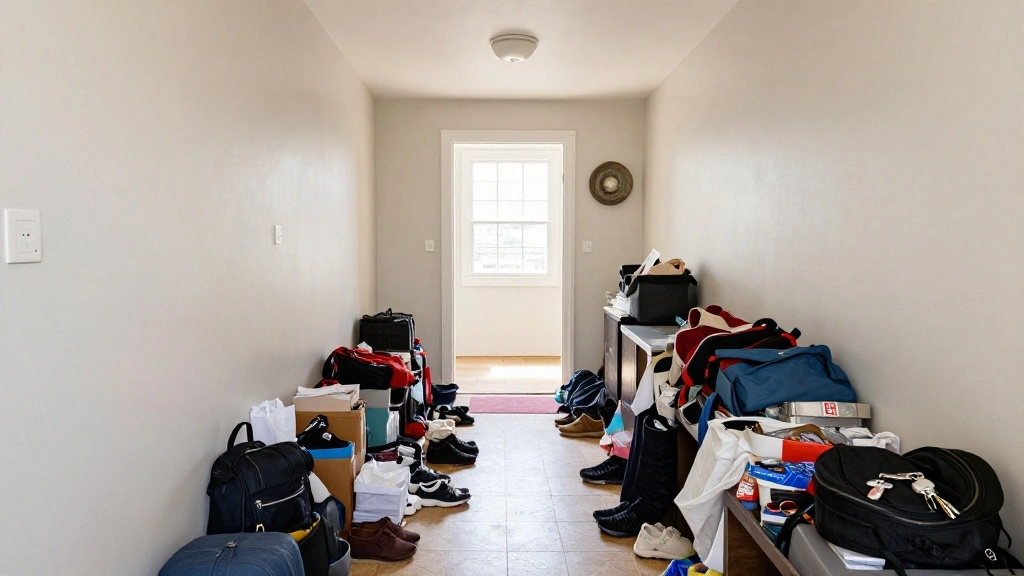
Are you tired of tripping over shoes and searching for your keys at the door? An unorganized entryway can create daily stress and chaos.
In this guide, you will learn how to build a stylish and functional minimalist entryway organizer that not only declutters your space but also enhances your home’s aesthetic.
By the end of this project, you’ll have a beautiful organizer that holds your keys, bags, and shoes, all while adding a touch of elegance to your entryway.
What will you learn? Step-by-step instructions, essential materials, and tips to make the process smooth and enjoyable.
This project is rated as beginner, making it accessible for anyone, even those with no prior woodworking experience.
You can complete this project in an estimated 6-8 hours over a weekend.
Get ready to transform your entryway into a welcoming space!
TL;DR Summary
- Build a minimalist entryway organizer in just a weekend.
- Perfect for beginners with no prior woodworking experience.
- Estimates 6-8 hours to complete the project.
- Includes step-by-step instructions, materials needed, and pro tips for success.
Recommended Products

WOODEN CADDY - wooden caddy with a handle is perfect for organizing makeup essentials. Keep brushes, palettes and other items neatly arranged and easily accessible on your vanity.

Spacious Storage with 4 Large Drawers: Designed to maximize storage space, this dresser features 4 generously sized drawers, each capable of holding up to 12 adult T-shirts or 7 pairs of jeans. Whether you need a place for bulkier clothing or smaller essentials like socks, and underwear, these drawers provide an organized solution to keep your space neat

High-Quality Bamboo: The entryway shoe rack is made of 100% natural bamboo, strong, durable, and smooth to the touch. High-temperature carbonized for moisture resistance and durability. Brings a warm and natural feel to your home
TL;DR Summary
Editor’s Choice

Sand Paper, 48 PCS Sandpaper, 120 to 5000 Assorted Grit Sandpaper Sheets…


HURRICANE 4 Piece Wood Chisel Set for Woodworking. CR-V Steel Beveled Ed…

Gorilla Wood Glue, 8 oz., Water Resistant PVA Wood Glue for Indoor & Out…
Prerequisites/Materials Needed
- Wood: 1×12 board, 6 feet long (1 piece)
- Wood: 1×4 board, 8 feet long (1 piece)
- Screws: 1.25-inch wood screws (1 box)
- Wood Glue: (1 bottle)
- Sandpaper: 120 and 220 grit (1 sheet each)
- Wood Finish: (optional, 1 can)
- Paint or Stain: (optional, 1 can)
- Tools: Drill, saw, measuring tape, level, and paintbrush (if finishing)
Recommended Products

Life Made Easier: The KISENG key organizer provides dedicated space for keys, mail, hats, glasses, and more, maximizing wall space. Keep everything neat and accessible, so you’ll never worry about losing your keys or other essentials again.

【Larger Storage Capacity & Added Side Mesh Pockets】 This 10-tier over-the-door shoe organizer holds 20-30 pairs of shoes while maximizing every inch of vertical space. Newly upgraded with convenient side mesh pockets on each tier, it easily stores umbrellas, belts, glasses, socks, towels, power banks, keys, water bottles, scissors, and other daily essentials. A true all-in-one storage solution for busy households

【Clutter-Free Living】Keep your entryway neat with this wall mounted coat rack with shelf; Designed to store coats, keys, bags, hats, and mail while optimizing wall space; A practical addition to hallways, bedrooms, or entryways
Prerequisites/Materials Needed
Editor’s Choice

Minwax 233334444 Polycrylic Protective Wood Finish, Clear Satin, ½ Pint
Gorilla Wood Glue, 8 oz., Water Resistant PVA Wood Glue for Indoor & Out…

3M Sandpaper, 220 Grit, 5 Sheets, 9 in x 11 in, Sands Paint, Wood & Meta…
Skill Level & Time Estimate
Skill Level: Beginner.
Total time estimate: 6-8 hours.
Breakdown:
- Planning and measuring: 1 hour
- Cutting wood: 2 hours
- Assembly: 2 hours
- Sanding and finishing: 1-3 hours (varies based on drying time)
Skill Level & Time Estimate
Editor’s Choice

The Complete Book of Woodworking: Step-by-Step Guide to Essential Woodwo…

20g Thick CA Glue (3000 CPS), Instant Clear Cyanoacrylate Glue for Wood,…
Sand Paper, 48 PCS Sandpaper, 120 to 5000 Assorted Grit Sandpaper Sheets…
Step 1: Measure and Plan Your Design
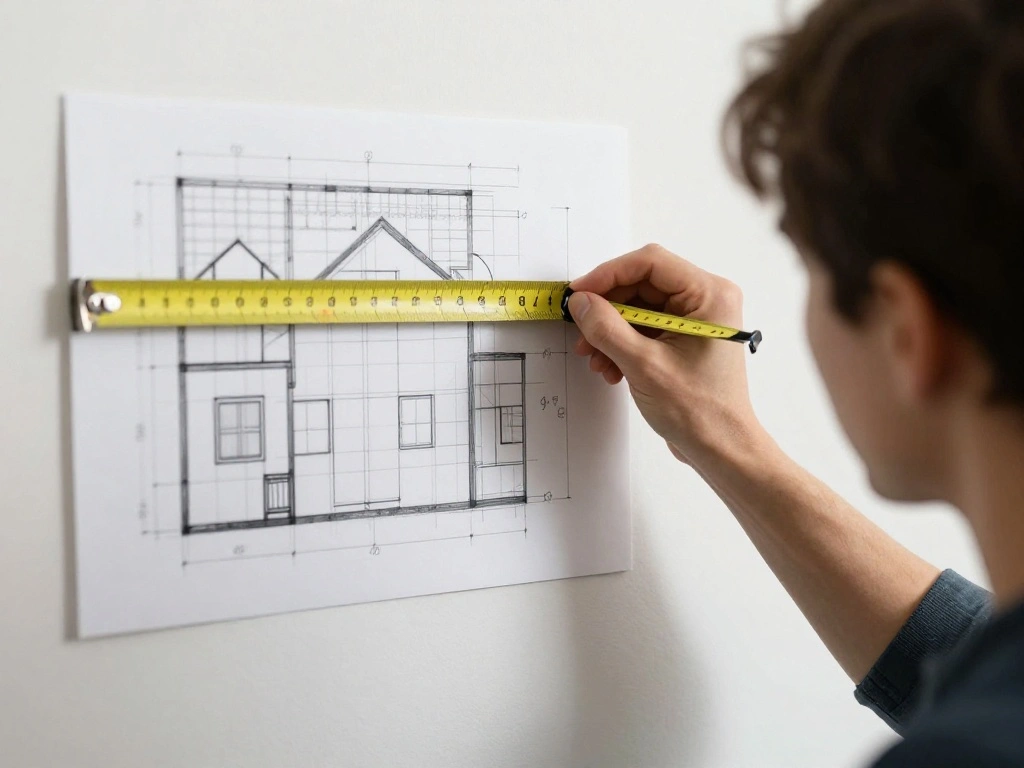
Start by measuring your entryway space to determine the dimensions of your organizer.
Follow these steps:
- Use a measuring tape to measure the available wall space.
- Decide on a height that suits you; typically, 48 inches is a good starting point.
- Sketch a simple design on paper to visualize the layout and features.
Why this matters: Accurate measurements ensure that your organizer fits well and functions efficiently.
Warning: Double-check your measurements before cutting any wood.
Estimated time: 1 hour.
Recommended Products

General purpose sandpaper
Pakcage include : 15 pcs 9x3.6 Inch sandpapers. 80 grit 120 grit 220 grit each grit 5 pcs

Multi-Stage Sandpaper Assortment: This Shineboc 9x3.6 inch sandpaper pack includes 21 sheets with 7 grits (120/220/400/600/800/1000/2000), 3 sheets per grit, suitable for all sanding stages from rough to fine
Step 1: Measure and Plan Your Design
Editor’s Choice
CRAFTSMAN 25-Ft Tape Measure with Fraction Markings, Retractable, Self-L…

Deluxe Wood Carving Kit whittling kit, 25 Piece Wood Carving Tools with …
Step 2: Cut the Wood Pieces
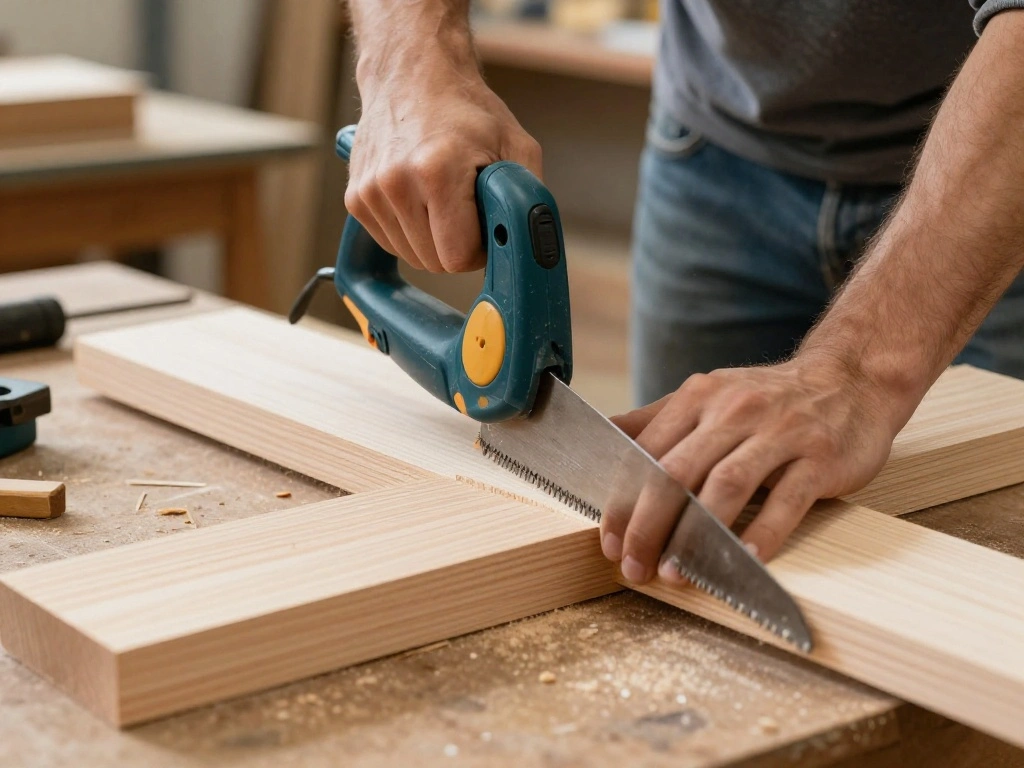
Once you have your design finalized, it’s time to cut the wood pieces based on your measurements.
Follow these instructions:
- Using a saw, cut the 1×12 board into two pieces for the top and bottom shelves.
- Cut the 1×4 board into four pieces for the side supports.
- Ensure all cuts are straight and clean for a professional look.
Why this matters: Proper cutting is crucial for assembly and stability.
Warning: Always wear safety goggles when using power tools.
Estimated time: 2 hours.
Recommended Products

Premium Blades: Drop forged CR-V steel with heat-treated edges ensures sharp precision and long-lasting durability, can be used to make finish or paring cuts on wood surfaces, as well as cut mortises

Chromium-Vanadium Steel Blade – Heat-treated alloy stays sharp and resharpens easily. Cuts hardwood, softwood, and composite timber – a reliable wood chisel for daily use.

Premium Wood Chisel Set for Woodworking – Includes 6 bevel edge chisels (1/4", 1/2", 3/4", 1", 1-1/4", 1-1/2") made from durable Cr-V steel with a 28° edge. Ideal for wood carving, furniture making, cabinet work, and detailed woodworking projects.
Step 2: Cut the Wood Pieces
Editor’s Choice
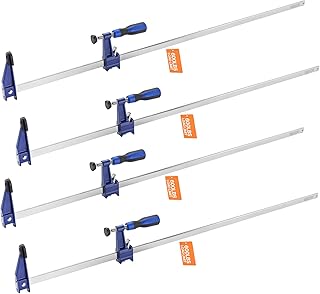
VEVOR Bar Clamps for Woodworking, 4-Pack 36 inch Opening, Lockable F-Cla…

GDMINLO Soft Tape Measure Double Scale Body Sewing Flexible Tailor Craft…

Step 3: Assemble the Frame
Now that you have your wood pieces, it’s time to assemble the frame.
Follow these steps:
- Lay the two side supports vertically and attach the top shelf using wood screws and glue.
- Ensure the top shelf is level before securing it completely.
- Repeat the process for the bottom shelf, leaving ample space for shoes and other items.
Why this matters: A sturdy frame is essential for holding the weight of your items.
Pro Tip: Use a level to keep everything straight during assembly.
Estimated time: 2 hours.
Recommended Products
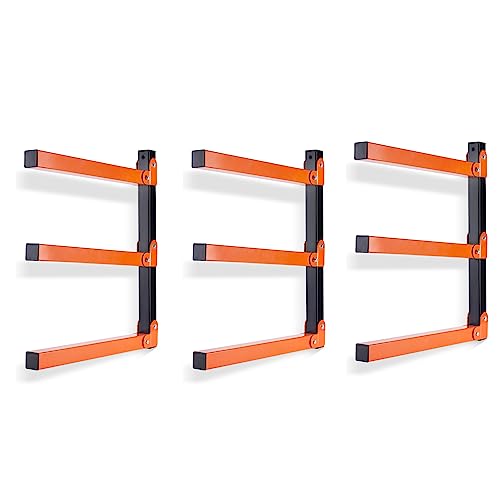
Storage Master – These high-impact lumber storage racks are designed to store long objects such as lumbers, pipes, or skiing equipment to create more space in your house or even outdoor workspaces.

High-Quality Bamboo: The entryway shoe rack is made of 100% natural bamboo, strong, durable, and smooth to the touch. High-temperature carbonized for moisture resistance and durability. Brings a warm and natural feel to your home

Spacious Storage with 7 Large Drawers: Designed to maximize storage space, this dresser features 4 spacious bottom drawers and 3 smaller top drawers. Each large drawer can hold approximately 12 adult T-shirts or 7 pairs of jeans, providing substantial storage for clothes, linens, or seasonal items. The 3 smaller drawers are great for organizing socks, underwear, toddler toys, or accessories, keeping smaller items within reach and neatly stored
Step 3: Assemble the Frame
Editor’s Choice

400 Pcs Exterior Deck Screws 8#×1 inch, Wood Screws with Yellow Ceramic…

Titebond III Ultimate Wood Glue, 16-Ounces #1414

Motovera Self Leveling Laser Level 100ft, Green Cross Line with Tripod, …
Step 4: Add Hooks for Keys and Bags
To enhance functionality, add hooks to your organizer for keys and bags.
Follow these steps:
- Decide on the placement of your hooks; typically, 4-6 hooks work well.
- Mark the spots where you want to install the hooks.
- Drill holes and secure the hooks into place.
Why this matters: Hooks provide easy access to your essentials and keep them organized.
Warning: Make sure hooks are securely fastened to avoid accidents.
Estimated time: 1 hour.
Step 4: Add Hooks for Keys and Bags
Editor’s Choice

Seesii 21V Cordless Drill Tool Kit – 190Pcs Power Tool Combo Set, Hand T…
Step 5: Sand and Finish the Organizer
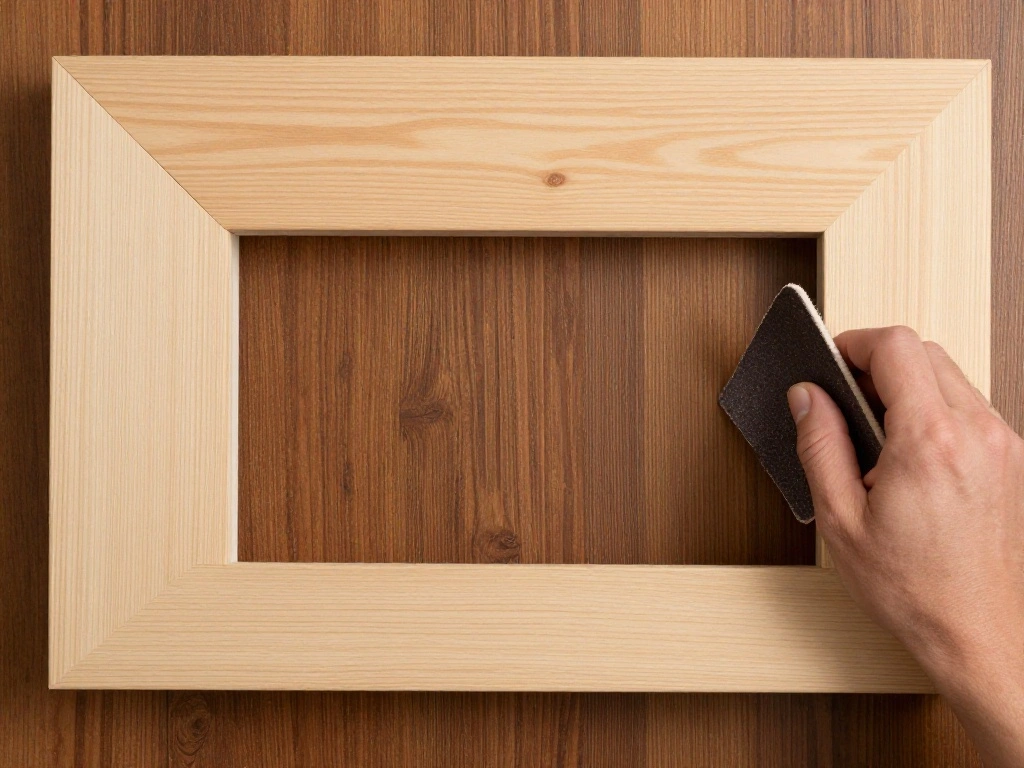
To give your organizer a polished look, sand down any rough edges and apply a finish.
Follow these steps:
- Use 120 grit sandpaper to smooth out surfaces, followed by 220 grit for a finer finish.
- Wipe off dust with a damp cloth.
- Apply wood finish or paint according to the manufacturer’s instructions.
Why this matters: A smooth finish not only looks great but also protects the wood.
Pro Tip: Allow enough drying time between coats of finish.
Estimated time: 2-3 hours.
Recommended Products
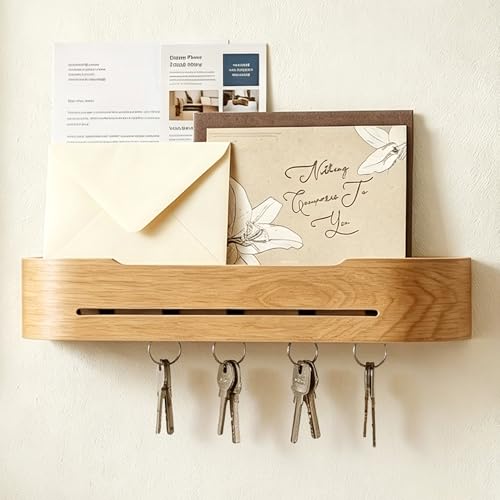
【Keep Keys Within Reach】Never worry about losing your keys again. Keep your countertop tidy with our key rack featuring 5 hooks to store the whole family's keys, ensuring easy access when you're out and about. It also provides storage for other essentials: sunglasses, wallets, mail, accessories, and more.

𝗦𝗜𝗭𝗘 – 𝗣𝗘𝗥𝗙𝗘𝗖𝗧 𝗙𝗜𝗧 𝗙𝗢𝗥 𝗘𝗡𝗧𝗥𝗬𝗪𝗔𝗬𝗦 – 10.4 in L × 1.9 in H × 2.7 in D. Featuring 6 discreetly concealed key hooks, this wall-mounted key holder keeps keys slightly away from the wall to help protect surfaces while maintaining a clean, organized look

Multifunctional 2-in-1 Design: Solid wood jewelry stand & desk organizer tray hangs necklaces, stores keys/accessories, ideal entryway key tray & vanity organizer to eliminate clutter
Step 5: Sand and Finish the Organizer
Editor’s Choice

8 Pack Sanding Sponge, Sanding Blocks 220 Grit, Sand Paper for Wood Furn…
Sandpaper 120 Grit, Wet Dry Sanding Sheets 9 x 3.6 Inch for Wood Furnitu…

Varathane Premium Fast Dry Wood Stain | 1 Hour Dry Time | 1 Coat Color |…
Step 6: Install the Organizer in Your Entryway
Now that your organizer is complete, it’s time to install it in your entryway.
Follow these steps:
- Position the organizer against the wall in your chosen spot.
- Use a level to ensure it is straight.
- Secure the organizer to the wall with wall anchors or screws for stability.
Why this matters: Proper installation ensures that your organizer is safe and functional.
Warning: Always anchor to a wall to prevent tipping.
Estimated time: 1 hour.
Recommended Products

[Boshcraft Sandpaper Assortment] The 1/4 sheet sandpaper is 4.5" x 5.5”, 8 sheets of each 80/150/320/400 grit 9 sheets of each 120/220 grit, you can distinguish sandpaper from coarse to fine by the grit number at a glance. Assorted sandpaper is excellent to sanding for hand/ block/ palm sander/machine.
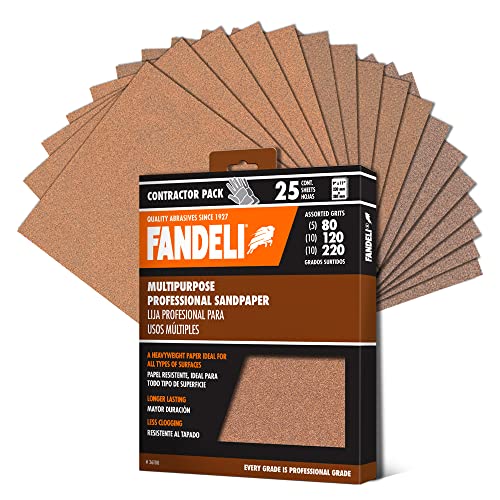
🔶 PRODUCT SIZE AND CONTENTS: The package includes 25 pieces with a choice of 3 grits: 80 (5 sheets), 120 (10 sheets), 220 (10 sheets). Size: 9'' x 11''. Can also be easily cut to fit any smaller size needed.
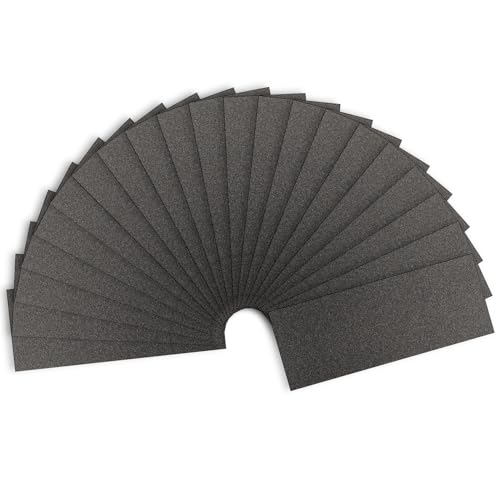
High-Precision Abrasive Paper: This Shineboc sandpaper set comes with 21 sheets of 120 grit sandpaper, providing ample supply for demanding sanding tasks.
Step 6: Install the Organizer in Your Entryway
Editor’s Choice

Zinc Self-Drilling Drywall Anchors with Screws Kit, 25 Heavy Duty Metal …

Torpedo Level Magnetic, Firecore 9 Inch Shockproof Small Leveler Tool wi…
Pro Tips
- Tip 1: Choose a wood finish that complements your home decor.
- Tip 2: Customize the height of your hooks based on your family’s needs.
- Tip 3: Use baskets on the shelves for added organization.
- Tip 4: Add a small mirror above the organizer for functionality.
- Tip 5: Consider using reclaimed wood for a rustic look.
Recommended Products

Versatile Wood Chisel Set: This chisel set woodworking kit includes 4 pieces wood chisels in different sizes, including 6mm, 12mm, 18mm, 24mm. Can meet your different woodworking needs. The great choice for carpenter tools, craft supplies and tools, bushcraft tools, wood working tools and accessories
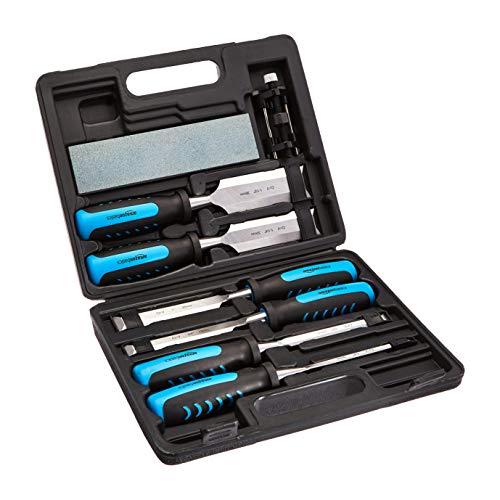
8-piece wood carving chisel set includes 6x chisels 1/4 inch (6mm), 1/2 inch (13mm), 3/4 inch (19mm), 1 inch (25mm), 1-1/4 inch (32mm) and 1-1/2 inch (38mm), 1x honing guide and 1x sharpening stone (120/240 grit)

10PCS WOOD CHISEL SET: Includes 6 common sized wood chisels(6mm/13mm/19mm/25mm/32mm/38mm), sharpening stone, honing guide, 2 carpenter pencils & a pencil sharpener, fit for the home owner, beginning caver or professional woodworker to do repairing around the house, furniture assembling, woodworking and DIY projects
Pro Tips
Editor’s Choice

SOFFEE DESIGN Set of 5 Floral Wall Hooks, French Garden Eye-catching Ent…
Varathane Premium Fast Dry Wood Stain | 1 Hour Dry Time | 1 Coat Color |…
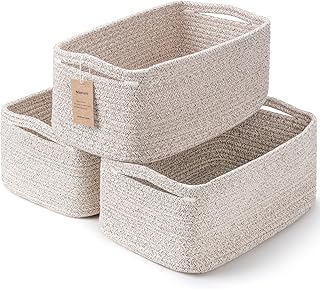
3-Pack Small Storage Baskets for Organizing | Woven Shelf Toy Basket | R…
Common Mistakes to Avoid
Warning: Skipping measurements can lead to a poorly fitting organizer. Always measure twice before cutting.
Warning: Not securing the organizer to the wall can cause it to tip over. Always use wall anchors.
Warning: Using the wrong type of finish can damage the wood. Always test on a small area first.
Common Mistakes to Avoid
Editor’s Choice


Fanttik A10 Pro 2-in-1 Digital Laser Tape Measure with HD IPS Color Disp…

Self-Drilling Drywall Anchors Assortment Kit – 182 Pcs for Concrete, D…
Troubleshooting Section
Problem: The organizer is wobbly.
Solution: Ensure it is properly secured to the wall and check all screws.
Problem: Wood finish is uneven.
Solution: Sand down the area and reapply finish evenly.
Problem: Hooks are too high or low.
Solution: Adjust the hook placement and fill old holes if necessary.
Troubleshooting Section
Editor’s Choice

KURUI 140Pcs #8 Self Drilling Drywall Anchors with Screws Kit, Heavy Dut…

Hand Sanding Block Set of 16,Interchangeable Assorted Contoured Profile …

Trimaco 10102 SuperTuff Sponge, 2 Pack Staining Pad
Variations/Alternative Methods
Option 1: Use a combination of open shelves and closed cabinets for more storage options.
Option 2: Create a modular design that can be expanded in the future.
Option 3: Use a pegboard instead of hooks for a creative display of items.
Variations/Alternative Methods
Editor’s Choice

MULSAME Pegboard Combination Kit, 25.2″ x 25.2″ Wall Mounted Storage Set…

Expandable Closet Cabinet Shelf Adjustable Wardrobe Clothes Storage Rack…

NUMENN Bookshelf, 5 Tier Bookshelves, Home Office Bookcase Shelf Storage…
FAQs
What if I don’t have a saw? You can have the wood cut at your local hardware store.
How long should I let the finish dry? Follow the manufacturer’s instructions, typically 2-4 hours.
Is it safe to use reclaimed wood? Yes, as long as it is properly treated and finished.
FAQs
Editor’s Choice

Wolman 1904A WOODLIFE CopperCoat Green Wood Preservative, Quart

Thompson’s WaterSeal Clear Wood Sealer, Clear, 1 Gallon
Conclusion
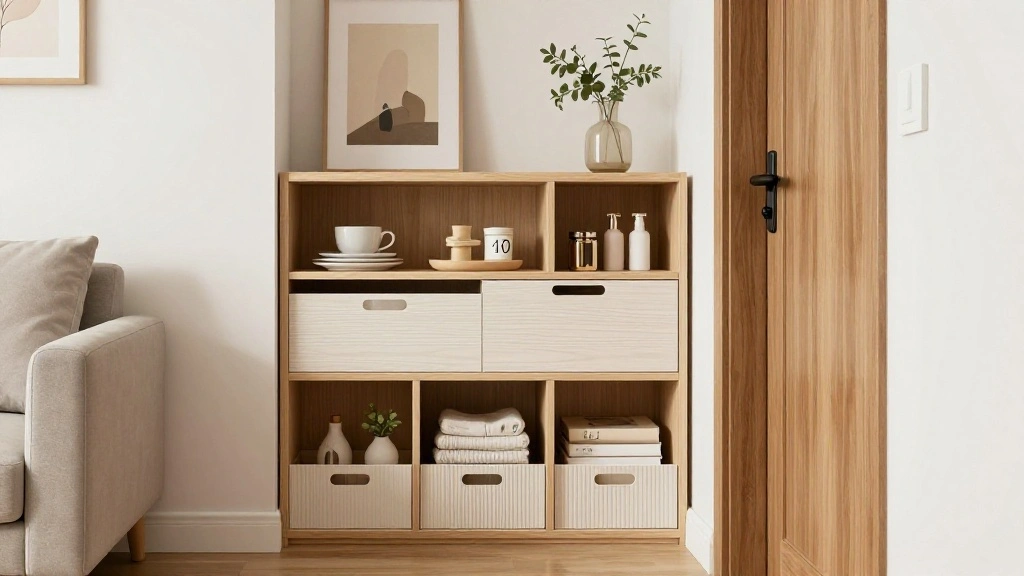
Congratulations on completing your DIY Minimalist Entryway Organizer! You have transformed your space into a more functional and stylish area.
Now that you’ve tackled this project, consider creating additional storage solutions throughout your home or personalizing your organizer with decorative elements.
Enjoy your newly organized entryway, and feel free to share your creation with friends and family!